
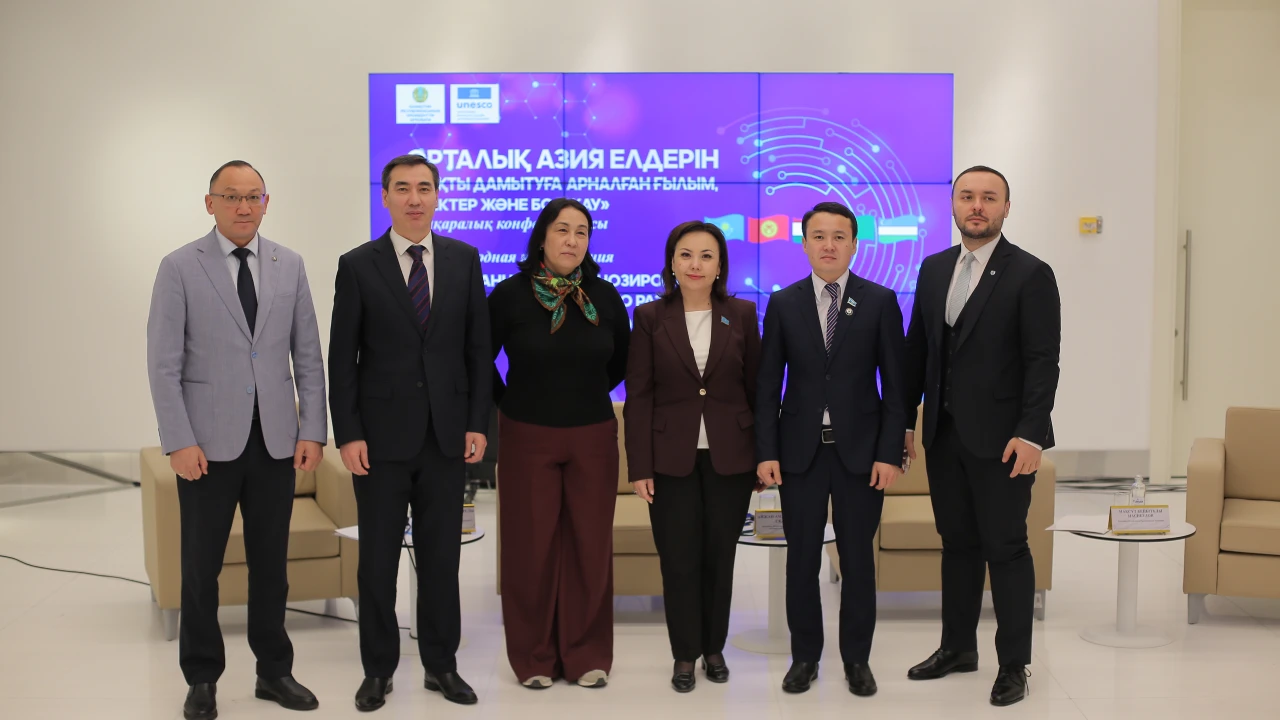

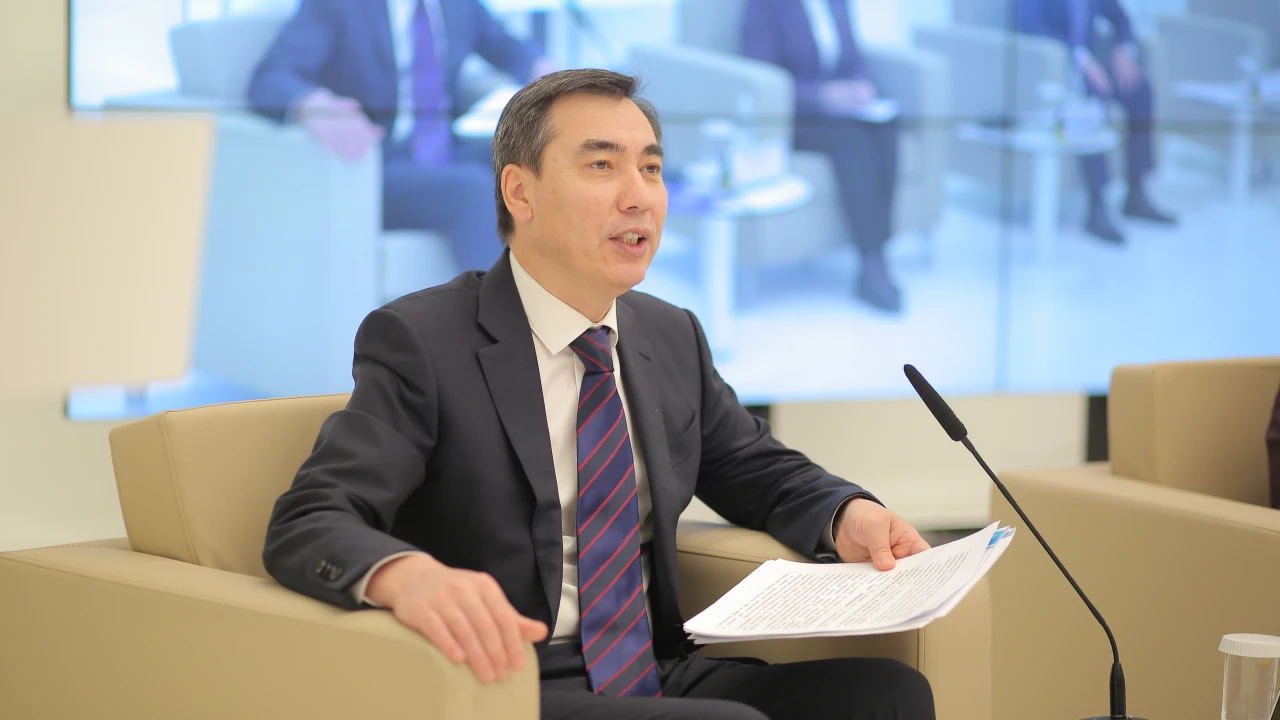
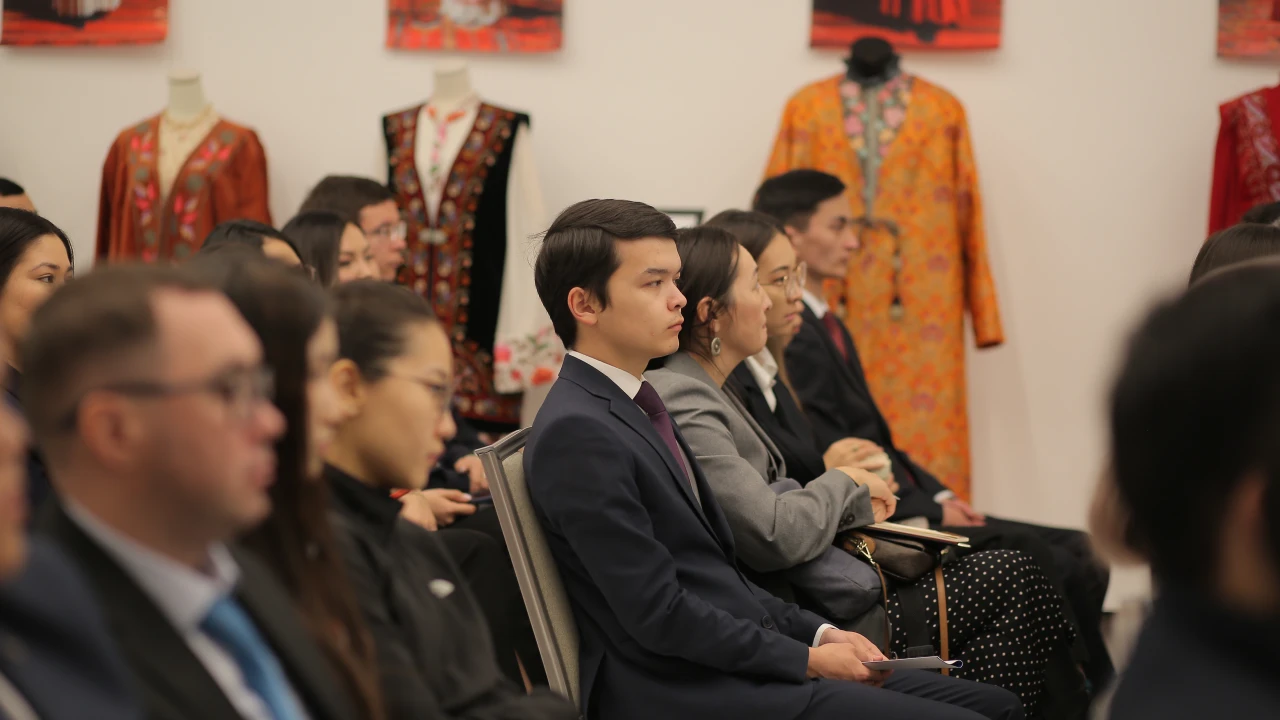
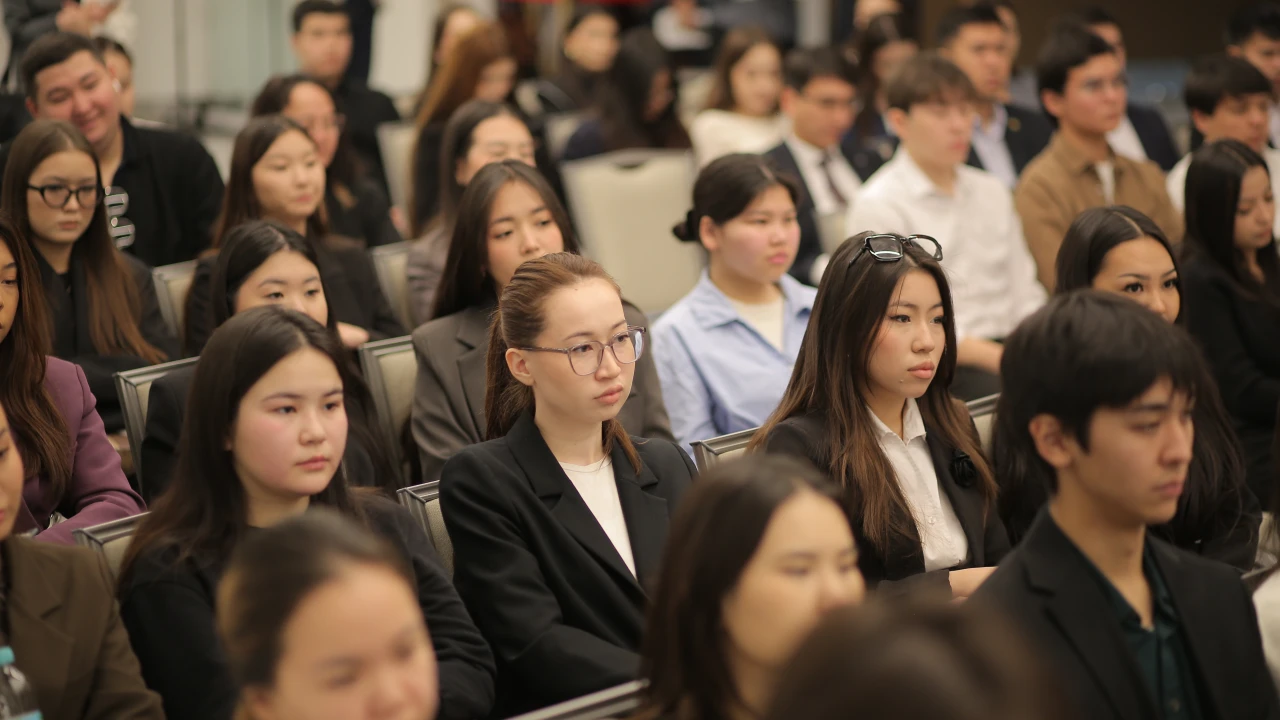
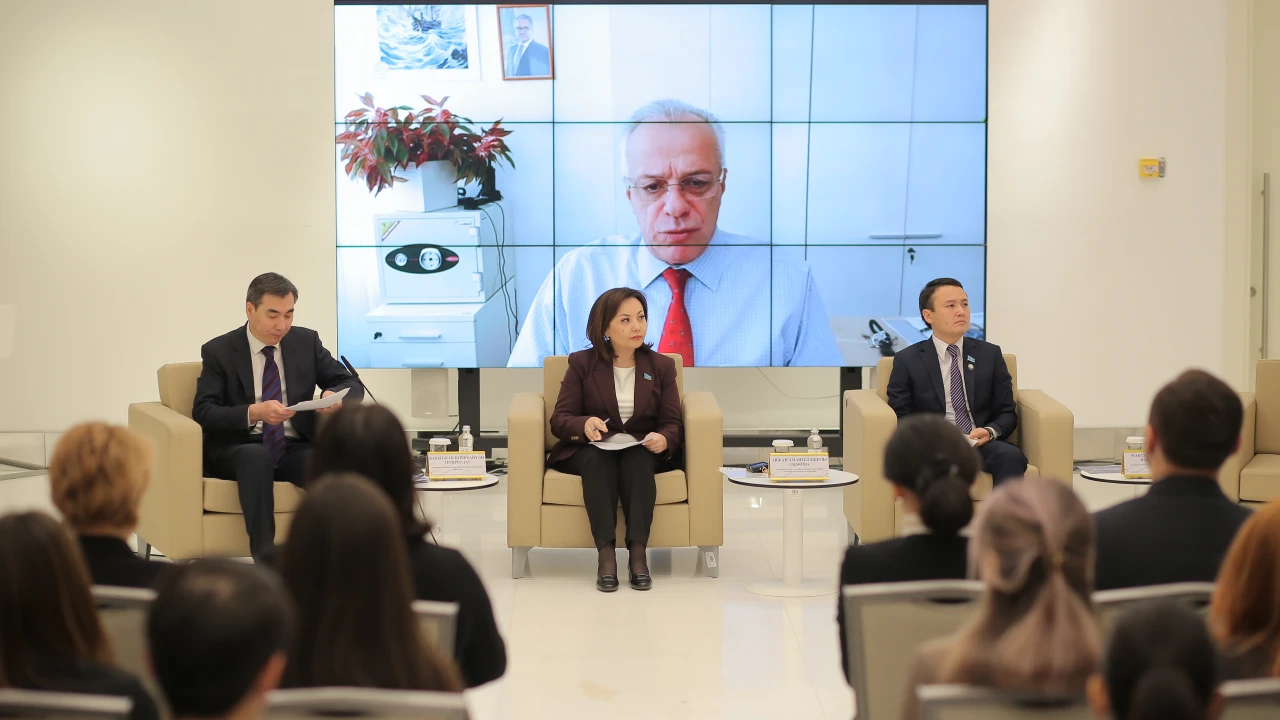
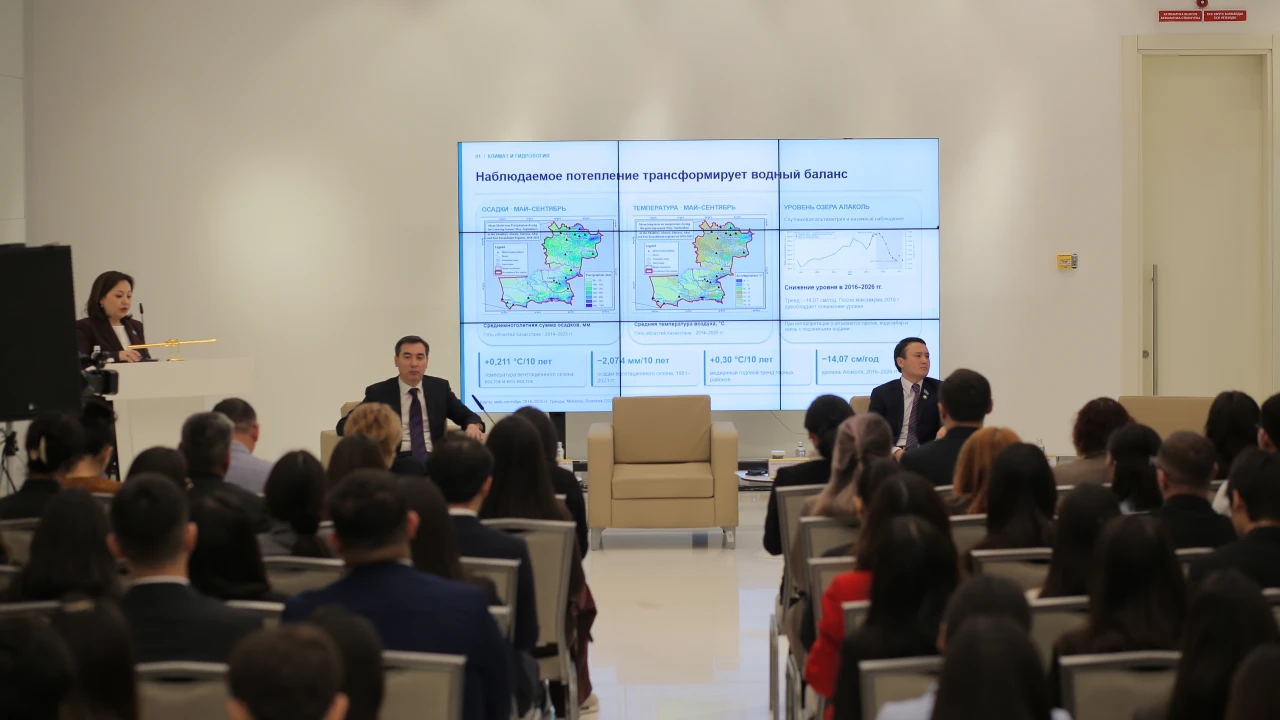
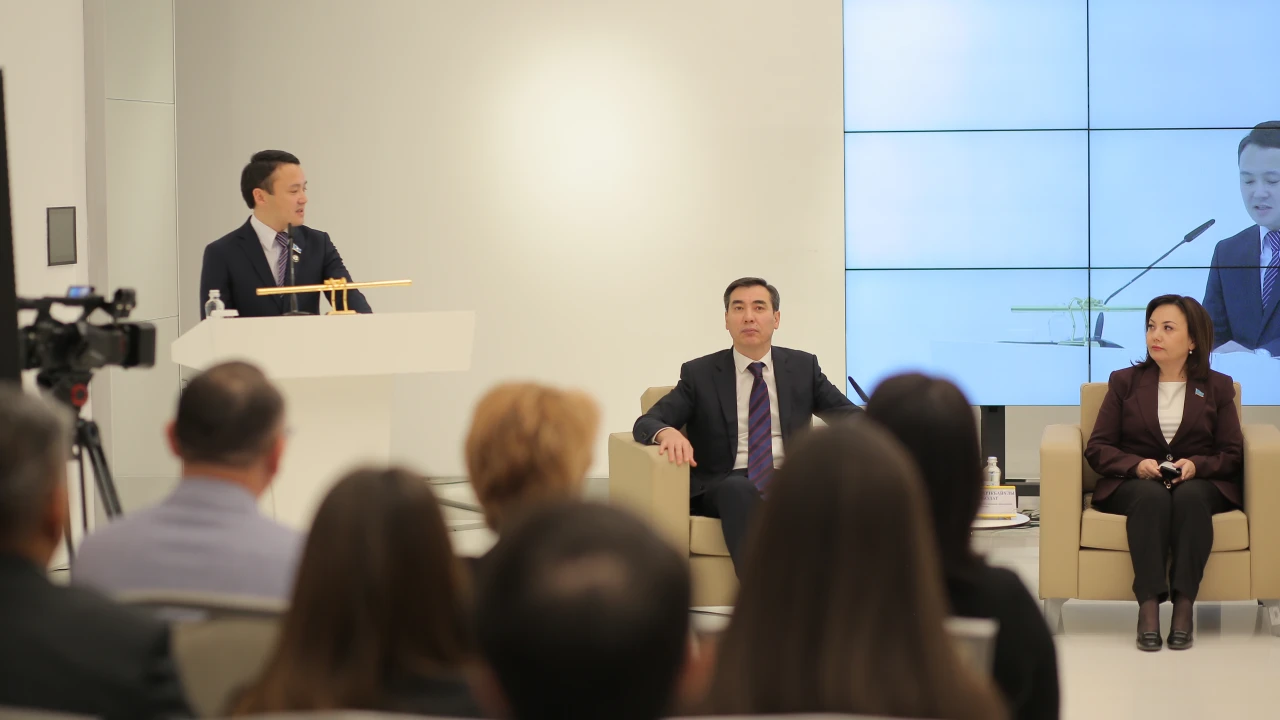
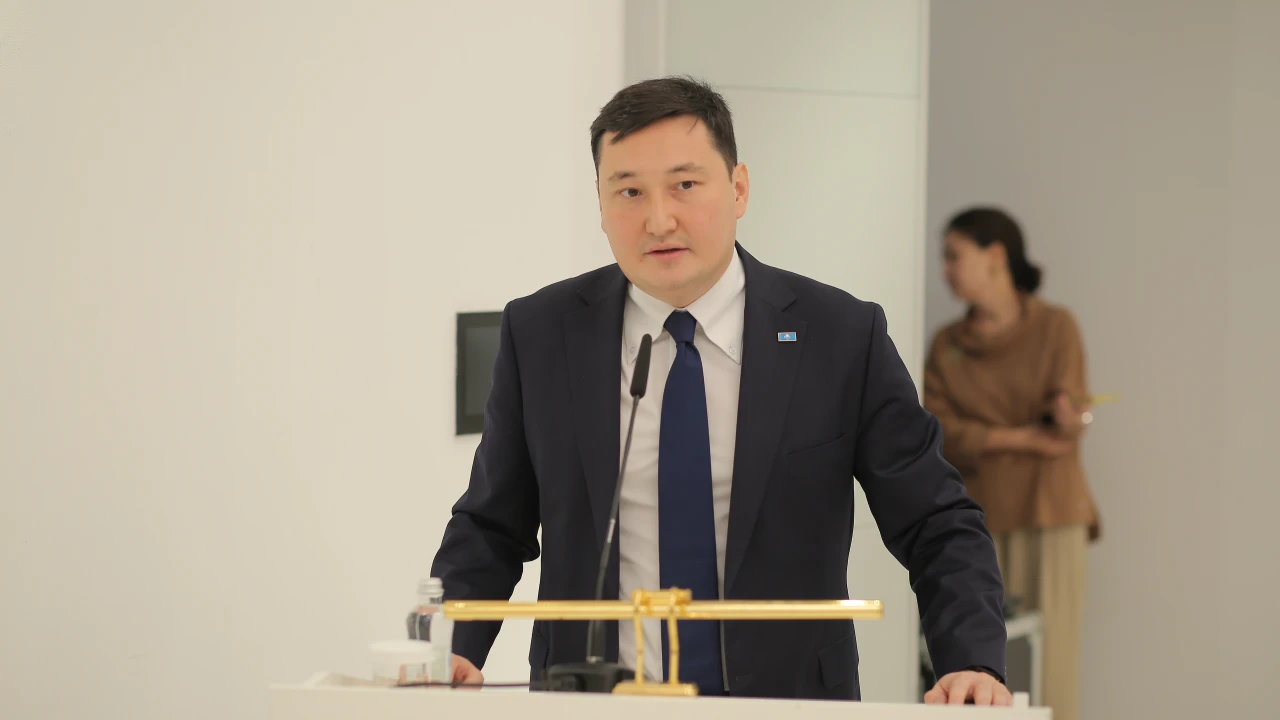
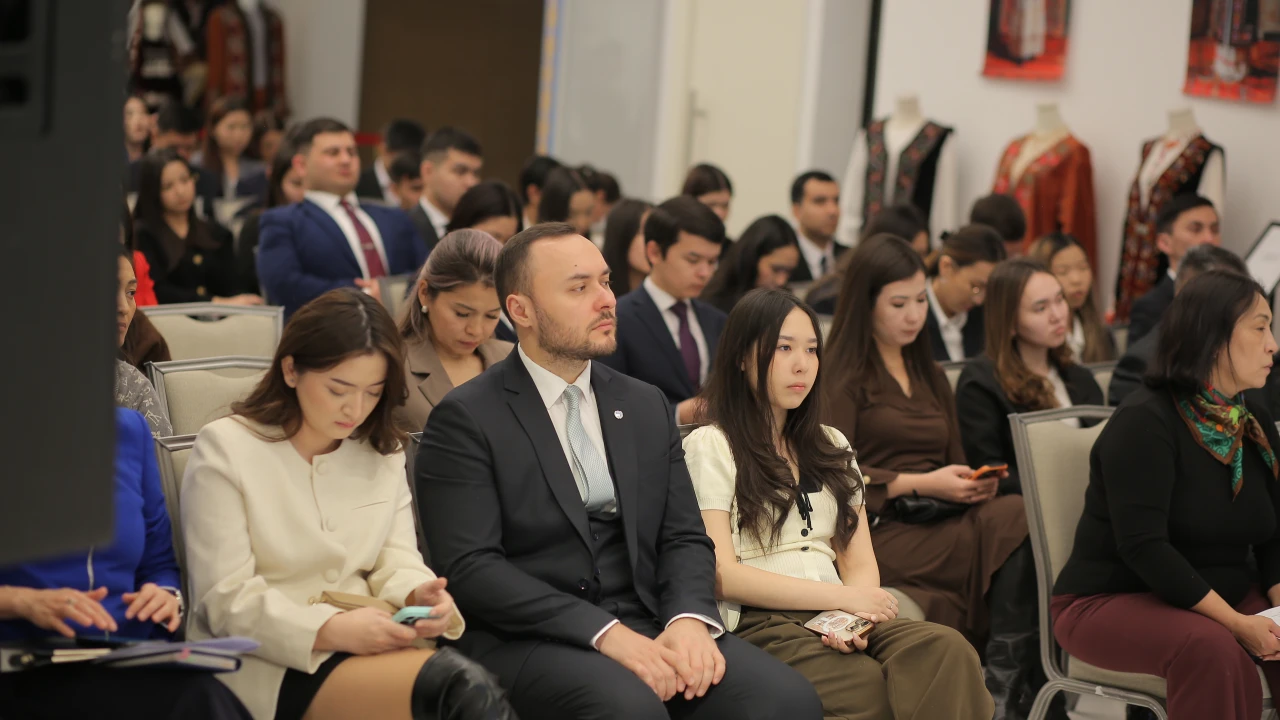
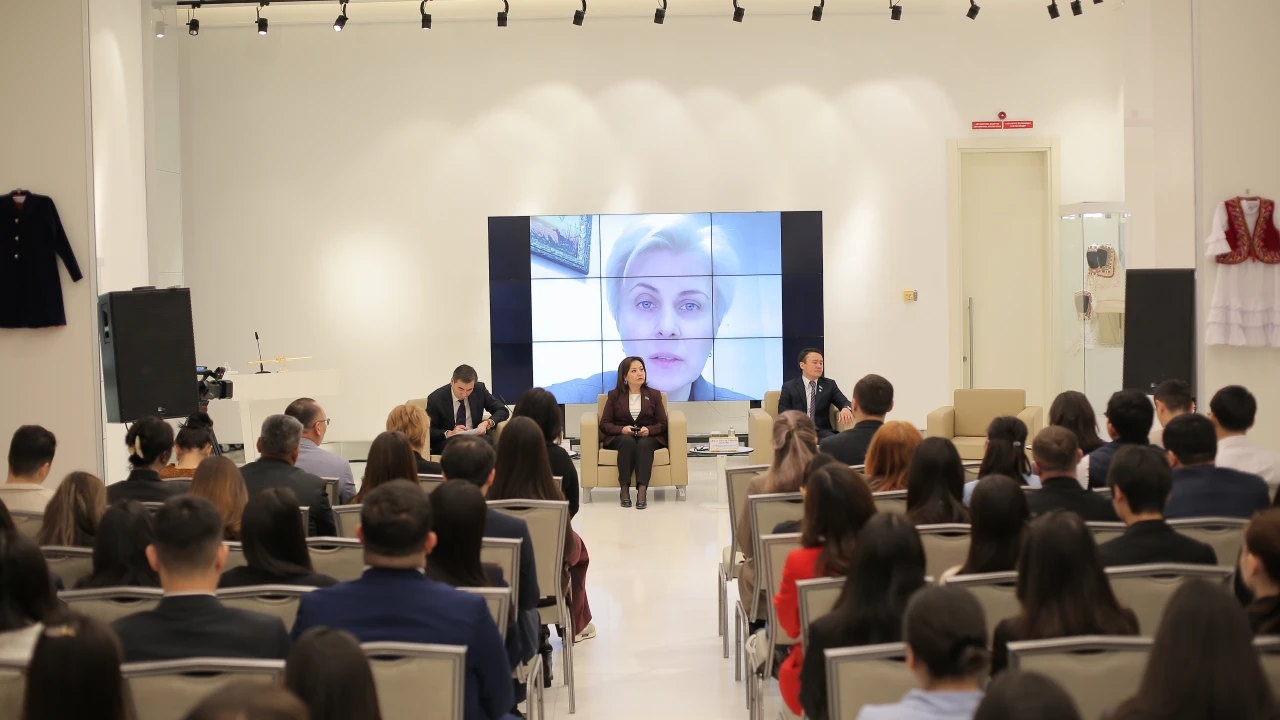

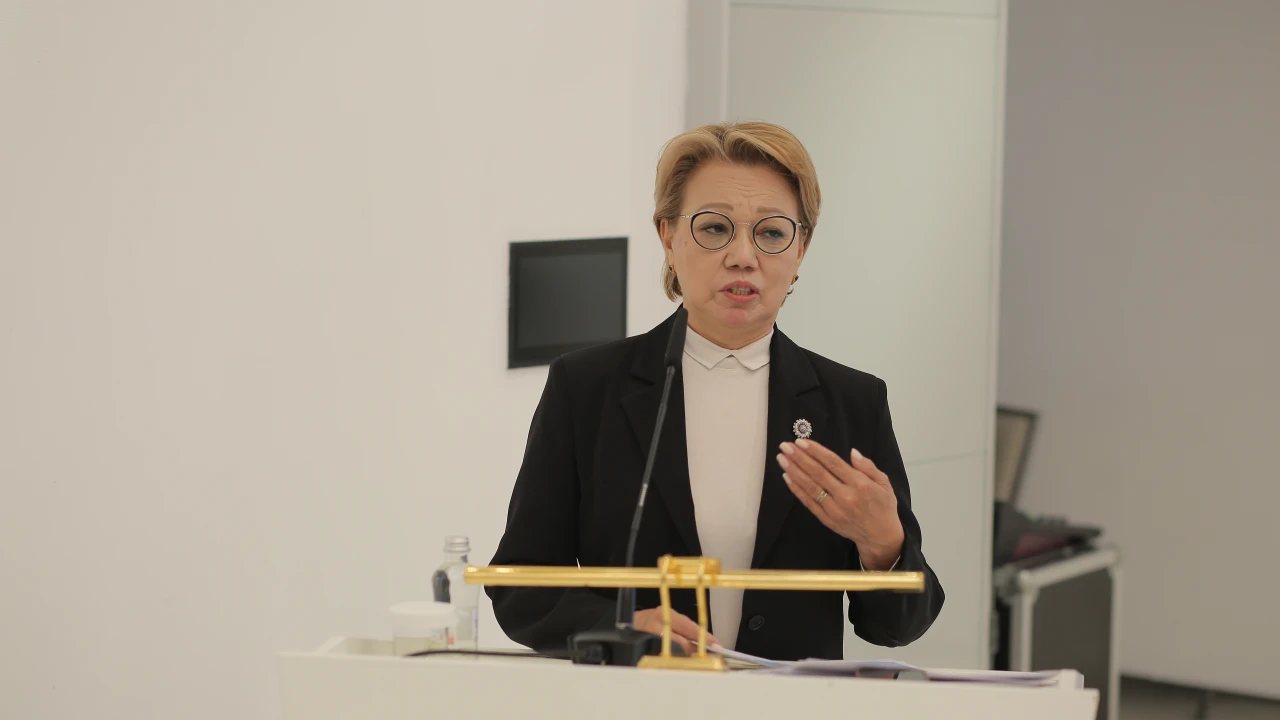
The annual international conference, "Science, Data, and Foresight for the Sustainable Development of Central Asian Countries," was held at the Presidential Center of the DPA RK. The event, marking World Science Day, was organized as part of the International Decade of Sciences for Sustainable Development in partnership with the UNESCO Regional Office in Almaty.
The conference focused on examining how science, data, and strategic foresight can support Central Asian nations in addressing climate and technological challenges, while ensuring equitable distribution of the resulting benefits across all segments of society.
The event convened approximately 100 participants, including representatives from government agencies, public and international organizations, as well as experts, scientists, and researchers specializing in strategic analysis, climate adaptation, and innovative development.
The discussions addressed a range of topics, including the ethical and social implications of implementing artificial intelligence and neurotechnologies, such as their effects on the labor market, skill requirements, and equal opportunity. Additionally, participants examined the social consequences of climate change for public health, employment, and population mobility. The conference also considered the role of youth in climate initiatives and emphasized the importance of strategic foresight and futures literacy as essential tools for public governance.
"Today’s event is especially significant given the strategic objectives outlined by President K.K. Tokayev in his recent Address to the People of Kazakhstan, in which he stated: 'The primary driving force of the modern world is knowledge, science, and cutting-edge innovation. Those nations that successfully master new technologies and artificial intelligence will be the ones that thrive.' This approach is central to Kazakhstan’s current strategy. Last June, at the Central Asia–China summit, the Head of State proposed designating 2026 as the "Year of Education and Scientific Research" to strengthen regional human capital. This year, Kazakhstan has also declared the "Year of Digitalization and Artificial Intelligence." In an era of rapid change, science is increasingly vital for addressing global challenges such as climate change, the energy crisis, resource scarcity, and digital security—all these issues demand innovative approaches and scientific solutions. In this context, the role of science and scientists in shaping a sustainable and competitive future cannot be overstated", - noted Bakytzhan Temirbolat, Director of the Presidential Center of the Republic of Kazakhstan.
Kazakhstan has allocated 703.6 billion tenge for science development between 2024 and 2026, a 9% increase over the previous three years. Early results are evident: in the IMF’s Global AI Readiness Index, Kazakhstan, with a score of 0.55, ranks among the world’s top 50 nations, surpassing the average for emerging market economies.
According to Amir Piric, Director of the UNESCO Regional Office in Almaty and UNESCO Representative to Kazakhstan, Kyrgyzstan, Tajikistan, and Turkmenistan, scientific cooperation should primarily serve humanity, protect fundamental rights, and empower young people and communities - whose voices are often underrepresented - to help shape a shared future.
"Foresight plays a crucial role here. Its purpose is not to predict the future with complete accuracy, but to examine different development scenarios, enabling us to make more informed decisions today, even amid uncertainty. For Central Asia, where many challenges cross national borders, dialogue and cooperation among governments, the scientific community, civil society, and international partners are especially vital", - said A. Piric.
The World Economic Forum estimates that by 2030, nearly 40% of labor market skills will change. During this period, 170 million new jobs are expected to be created, while 92 million will be lost. According to the International Monetary Fund, nearly 40% of jobs globally, and about 60% in advanced economies, are exposed to the impact of artificial intelligence (AI).
In her presentation, Lira Sulaimanova, Deputy Minister of Science, Higher Education, and Innovation of the Kyrgyz Republic, highlighted three priorities: developing digital technologies and responsible use of artificial intelligence; advancing human capital and applying scientific research; and using data and strategic foresight in public administration.
"Our nations are addressing similar challenges: strengthening science, improving education quality, and preparing professionals for an evolving economy." "It is important that scientific knowledge informs government decision-making and that new technologies deliver tangible benefits to people", - the speaker stated.
Bakhtiyar Mukhametkaliev, Vice Minister of Artificial Intelligence and Digital Development of the Republic of Kazakhstan, stated that Kazakhstan aims to become a digital hub not only for Central Asia but globally. He added that the country has all the necessary conditions to achieve this goal.
"Kazakhstan already has projects in place with the potential for global leadership. For example, according to official rankings, the country is among the top 10 for e-government platforms; in the UN rankings, Kazakhstan currently holds the 24th position, with projections indicating further improvement. While international rankings are not the primary objective, they clearly reflect the outcomes achieved in this area", - said Vice Minister.
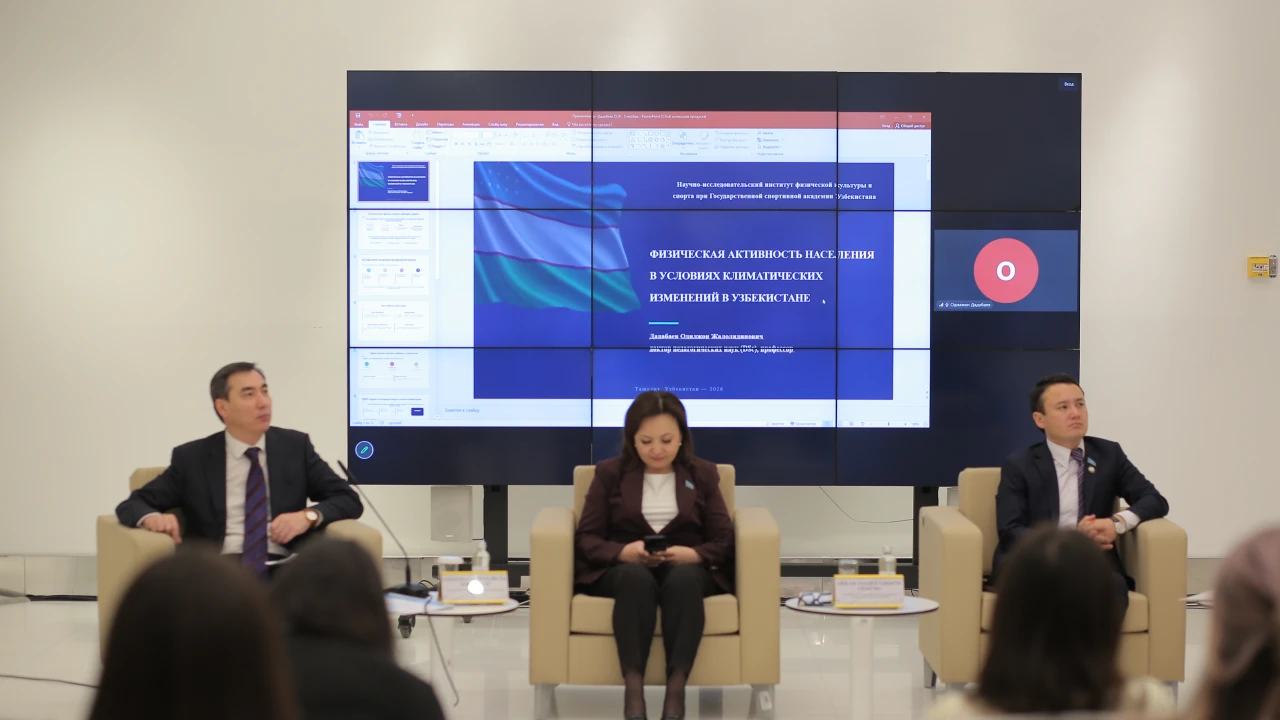
The event also included presentations by members of the Kurultai of the Republic of Kazakhstan - Aizhan Skakova, Yuliya Kuchinskaya and Maksut Nasibulov - as well as Bakhtiyar Mukhametkaliev, Vice Minister of Artificial Intelligence and Digital Development of the Republic of Kazakhstan; Bakhyt Esekina, Director of the "Green Academy" Research and Educational Center; Rustem Bigari, President of the International Information Technology University; Aigul Kosherbayeva, Scientific Secretary of the Kazakhstan Institute for Strategic Studies under the President of the Republic of Kazakhstan; Odiljon Dadabayev, a leading researcher at the Research Institute of Physical Culture and Sports under the State Academy of Sports of Uzbekistan; and Rishat Ramazanov, Deputy Director of the "Youth" Research Center under the Ministry of Culture and Information of the Republic of Kazakhstan.
Following the conference, participants identified key areas for future work, including strengthening dialogue among government bodies, the expert community and international organizations, as well as exchanging best practices from Central Asian countries in climate adaptation, digital transformation, and strategic foresight. Participants also developed proposals to foster regional cooperation on the ethics of science and technology. The conference materials will contribute to the implementation of the International Decade of Sciences for Sustainable Development (2024–2033).