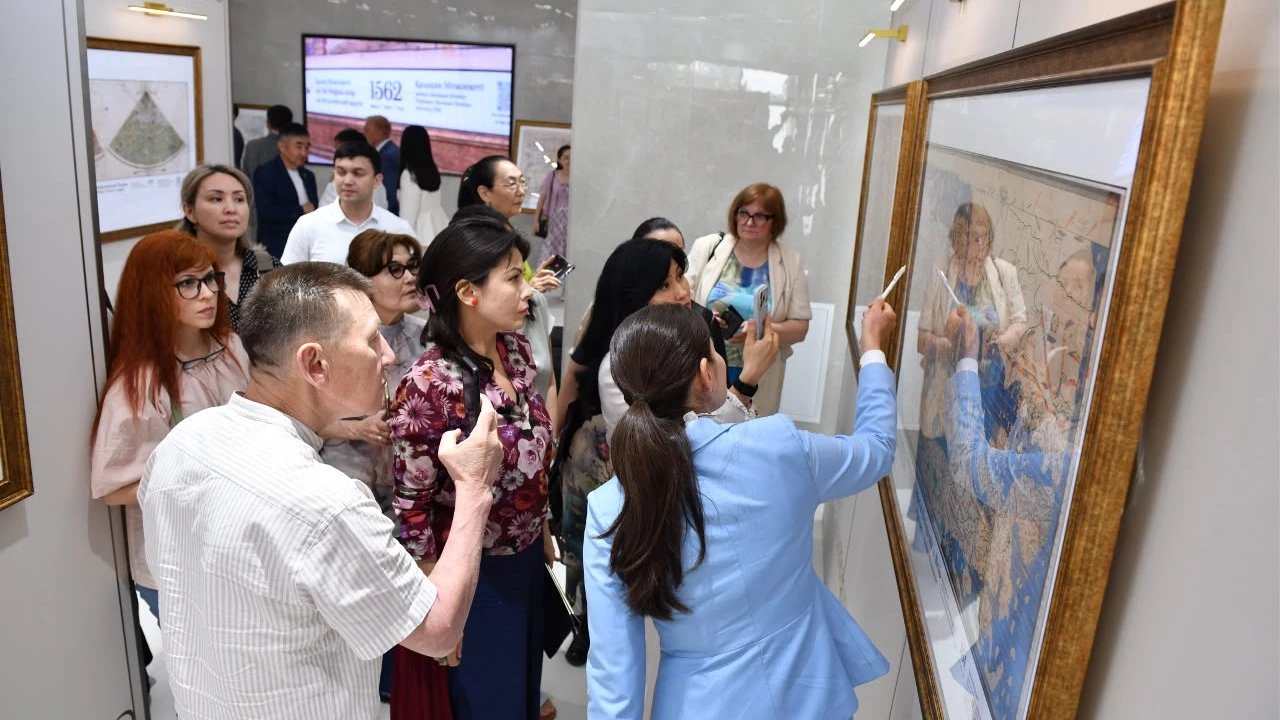
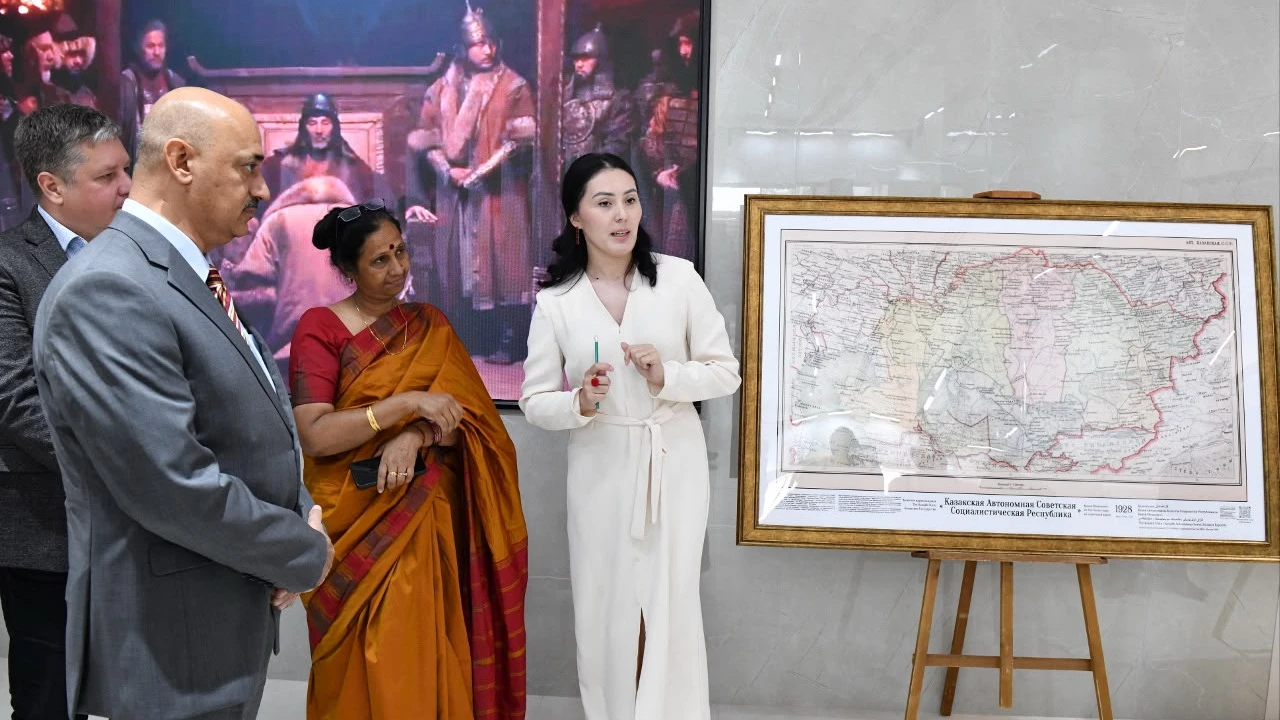
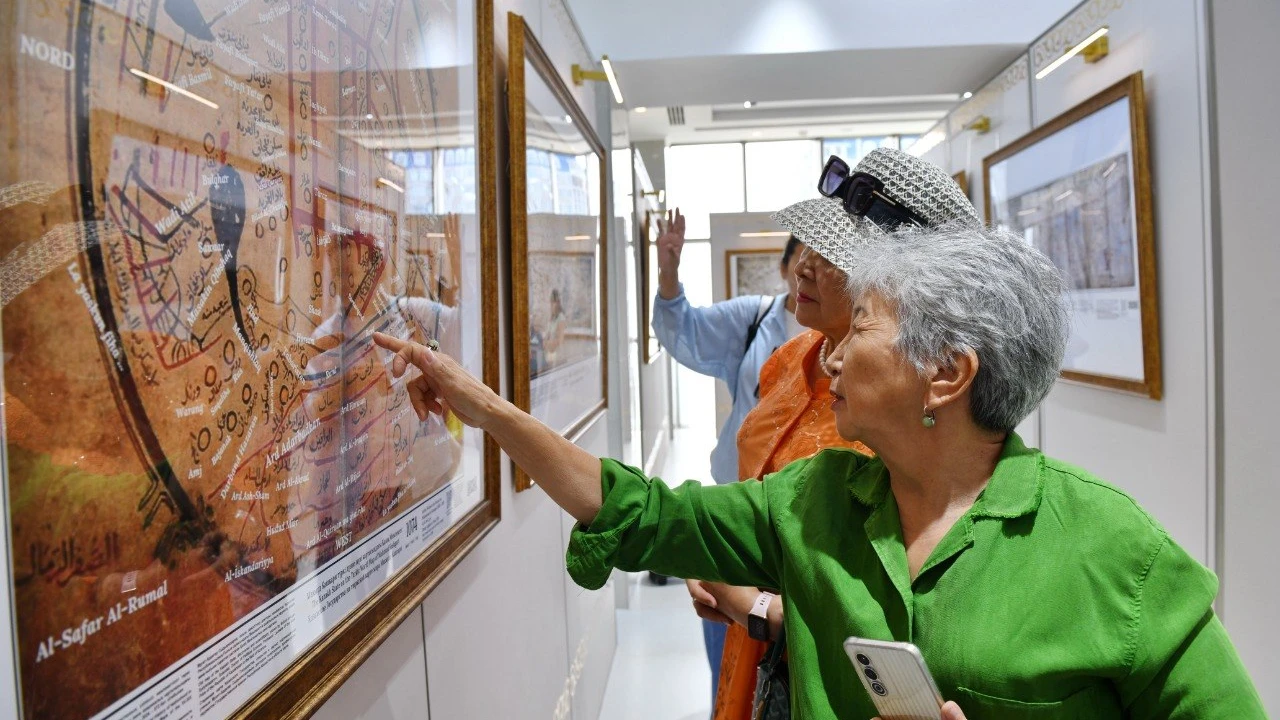
Historical knowledge is preserved not only in chronicles and archival documents. Sometimes it comes alive through the fine lines of ancient maps, the names of rivers and cities, and the outlines of the steppes depicted by cartographers centuries ago. Each map offers a unique perspective on its era, reflects the prevailing scientific understanding of its time, and serves as an invaluable record of societies' historical memory.
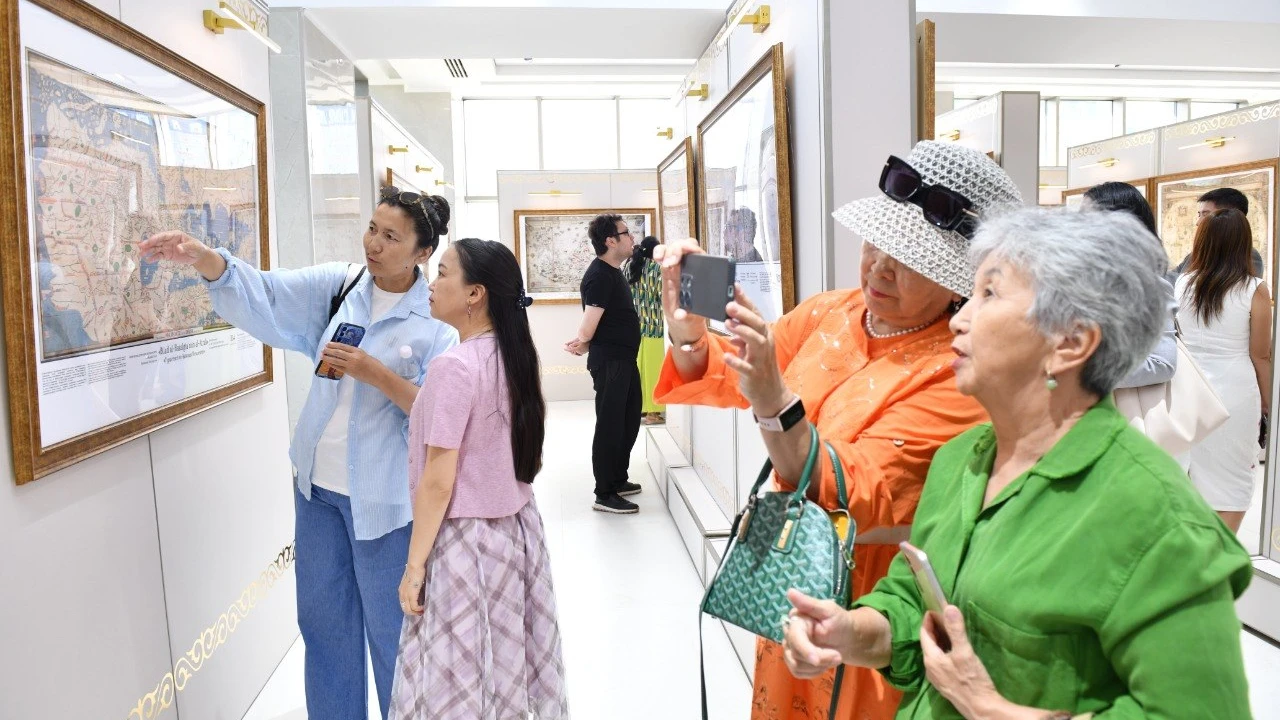
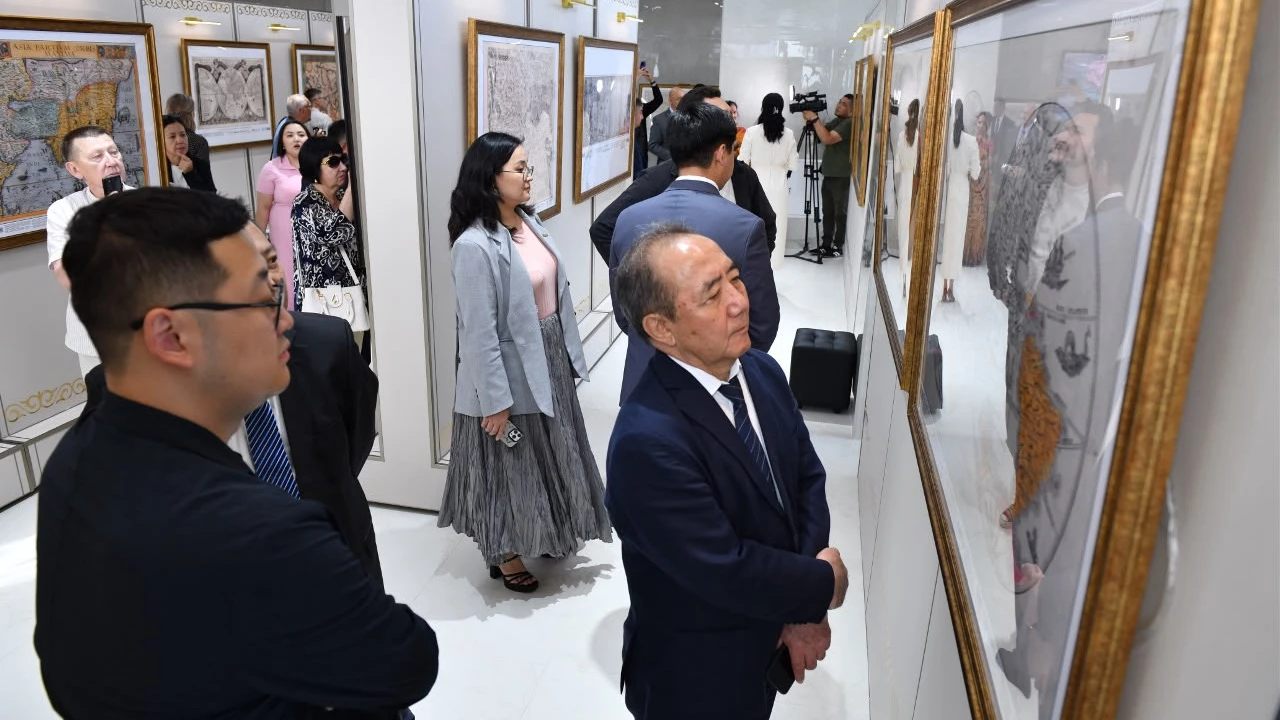
This unique opportunity to view history through the prism of the global cartographic tradition is offered by the Gallery of Historical Maps of Kazakhstan, which opened at the Presidential Center of the Republic of Kazakhstan on July 1, 2026, to coincide with the entry into force of the country's new Constitution.
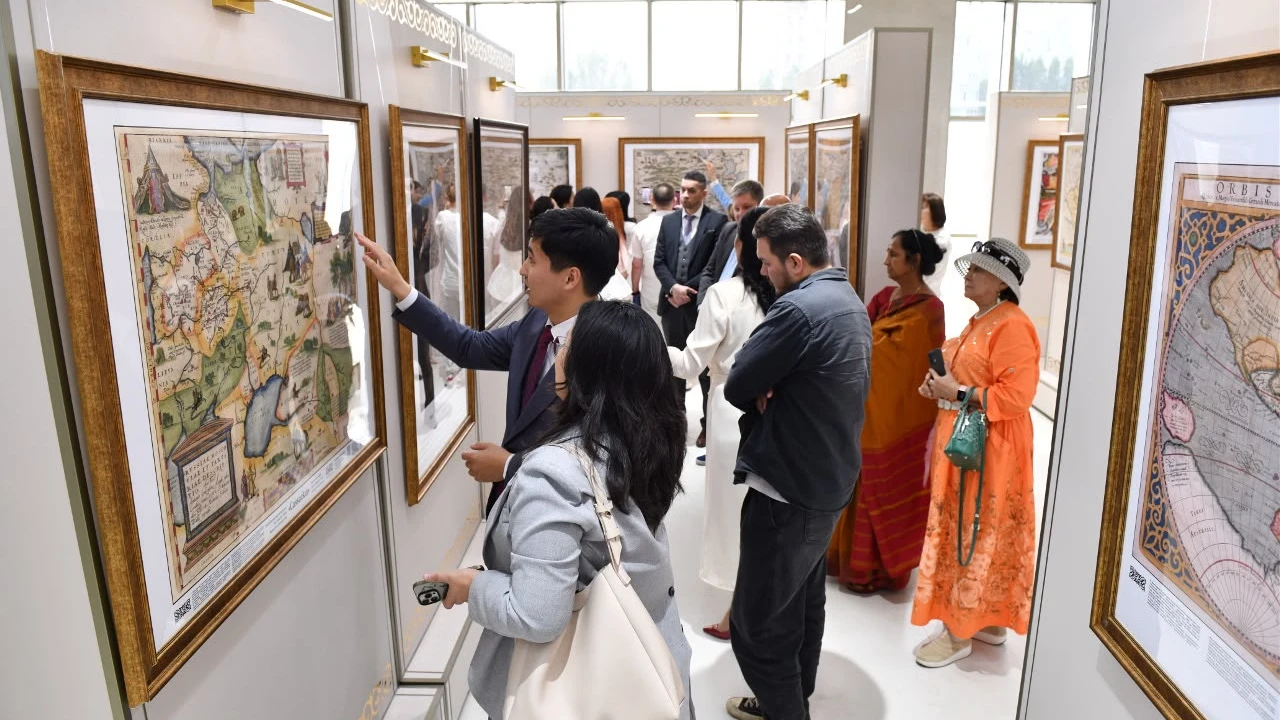
The exhibition brings together more than 50 unique maps created by European and Arab cartographers between the 11th and 19th centuries. These remarkable examples of cartographic heritage make it possible to trace the development of geographical science, the evolution of cartographic concepts, and understand how perceptions of the Great Steppe have evolved within the global historical consciousness.
The exhibited materials are particularly valuable as historical sources that attest to the historical continuity of Kazakh statehood, the preservation of the political and geographical identity of modern Kazakhstan, and the continuity of its historical memory. The maps preserve original ethnonyms, ancient toponyms, the names of cities, steppe domains, and other geographical features of the Great Steppe. Their study opens up new opportunities for research into the ethnopolitical history of the region and the formation of the historical and geographical landscape of Central Asia.
The Gallery serves not only as an exhibition space but also as a center for research into cartographic heritage, historical toponymy, and the evolution of perceptions of the Great Steppe in the works of cartographers from different eras. The exhibition demonstrates the development of cartography from the earliest schematic representations of territories to highly accurate maps reflecting advances in scientific knowledge and cartographic methods. Each map is not merely a historical document but a unique testimony to its time, revealing the place of the Great Steppe within the global cartographic tradition.
Since its opening, the Gallery of Historical Maps of Kazakhstan has welcomed approximately 2,500 visitors. In such a short period, it has become one of the Presidential Center's most significant cultural, educational, and scientific projects, generating widespread interest among members of the academic and educational communities, the diplomatic corps, the media, public figures, bloggers, as well as residents and visitors of the capital.
Distinguished visitors to the Gallery include government and public figures T.I. Suleimenov and I.I. Rogov; the staff of L.N. Gumilyov Eurasian National University, led by Rector E.B. Sydykov; Doctor of Historical Sciences, Professor B.G. Ayagan; Director of the Archives of the President of the Republic of Kazakhstan A.K. Mustafina; Director of the Kazakhstan Branch of Lomonosov Moscow State University, Professor A.V. Sidorovich; Candidate of Geographical Sciences V.S. Dekhnich; and many others.
The project's growing international recognition is reflected in visits by representatives of the diplomatic corps accredited in Kazakhstan, including diplomats from Latvia, Kyrgyzstan, Oman, Russia, and France, as well as Nalini Singhal, Director of the Swami Vivekananda Indian Cultural Centre.
It is symbolic that the Gallery opened on the same day that the new Constitution of the Republic of Kazakhstan entered into force. The Basic Law enshrines the sovereignty, territorial integrity, and foundations of the country's modern statehood, while the maps on display provide compelling evidence of the deep historical roots of Kazakh statehood, preserved for centuries in the world's cartographic heritage.
Today, the Gallery of Historical Maps of Kazakhstan continues to fulfill its primary mission by connecting the past with the present and bringing ancient maps to life as enduring testimonies to history, culture, and statehood. It is a place where every visitor can discover new chapters of the past, see Kazakhstan through the eyes of outstanding cartographers from different eras, and gain an even deeper appreciation of the rich historical and cultural heritage of the Great Steppe.