

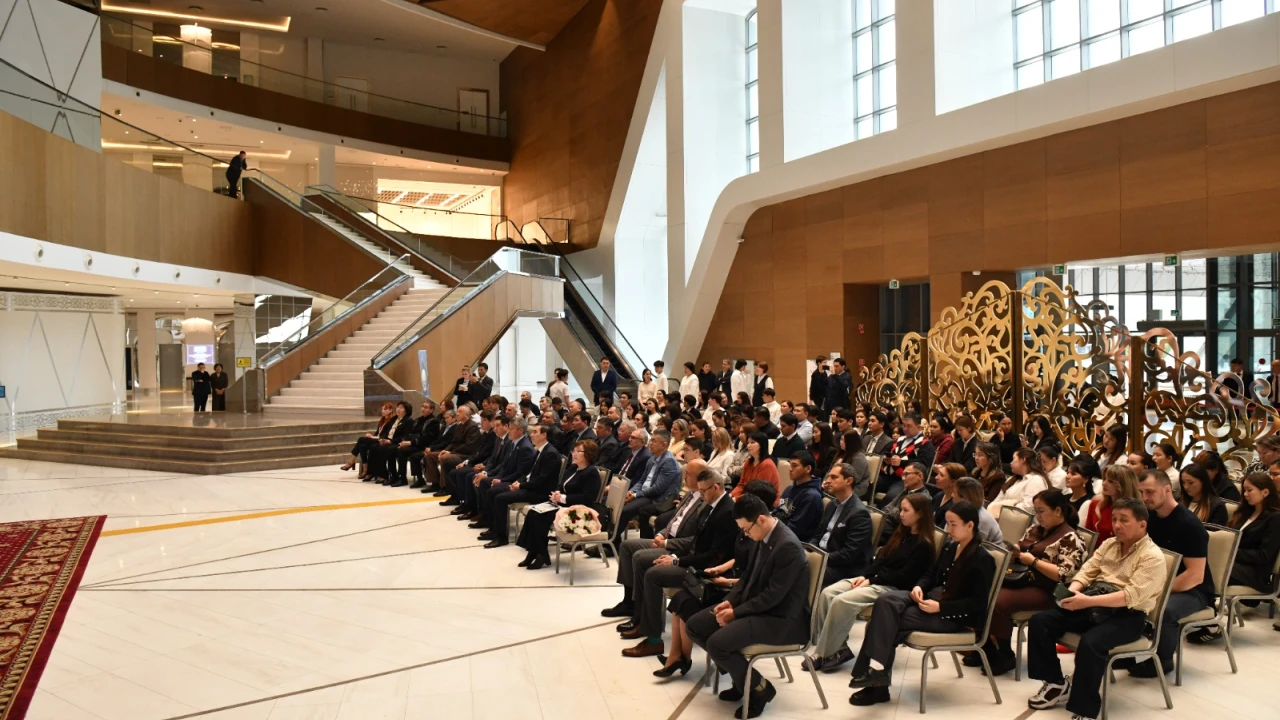
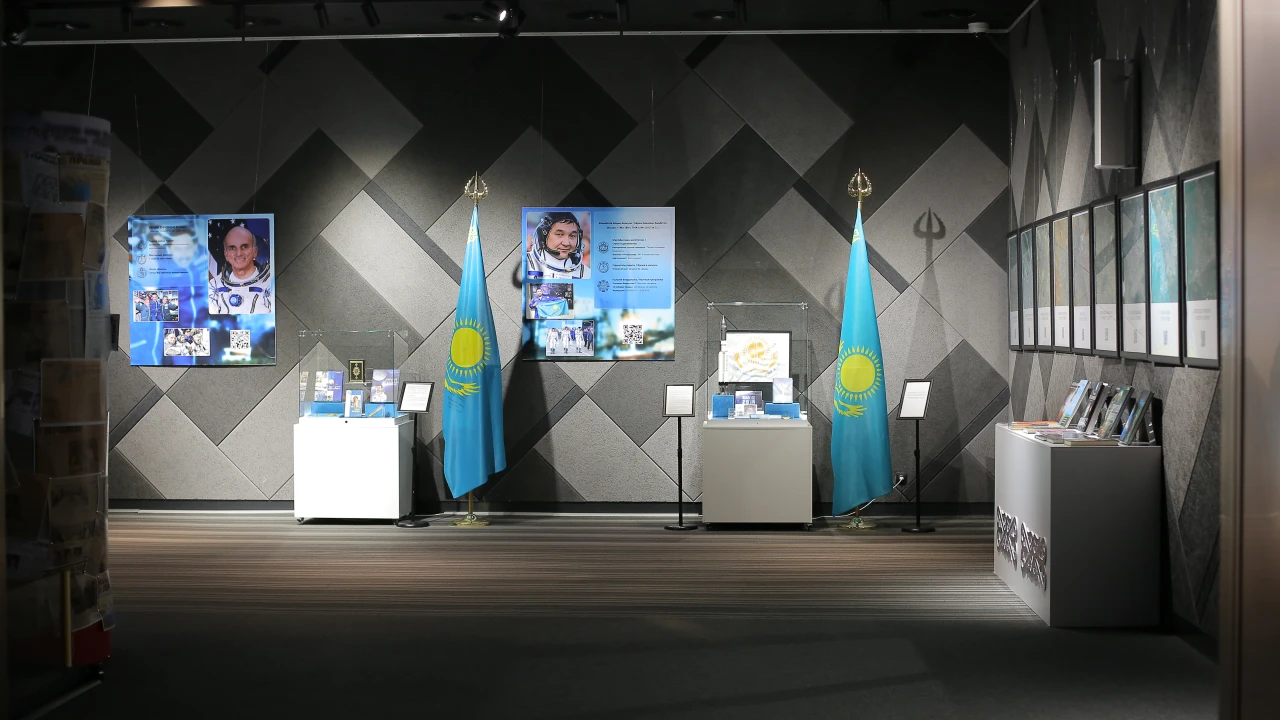
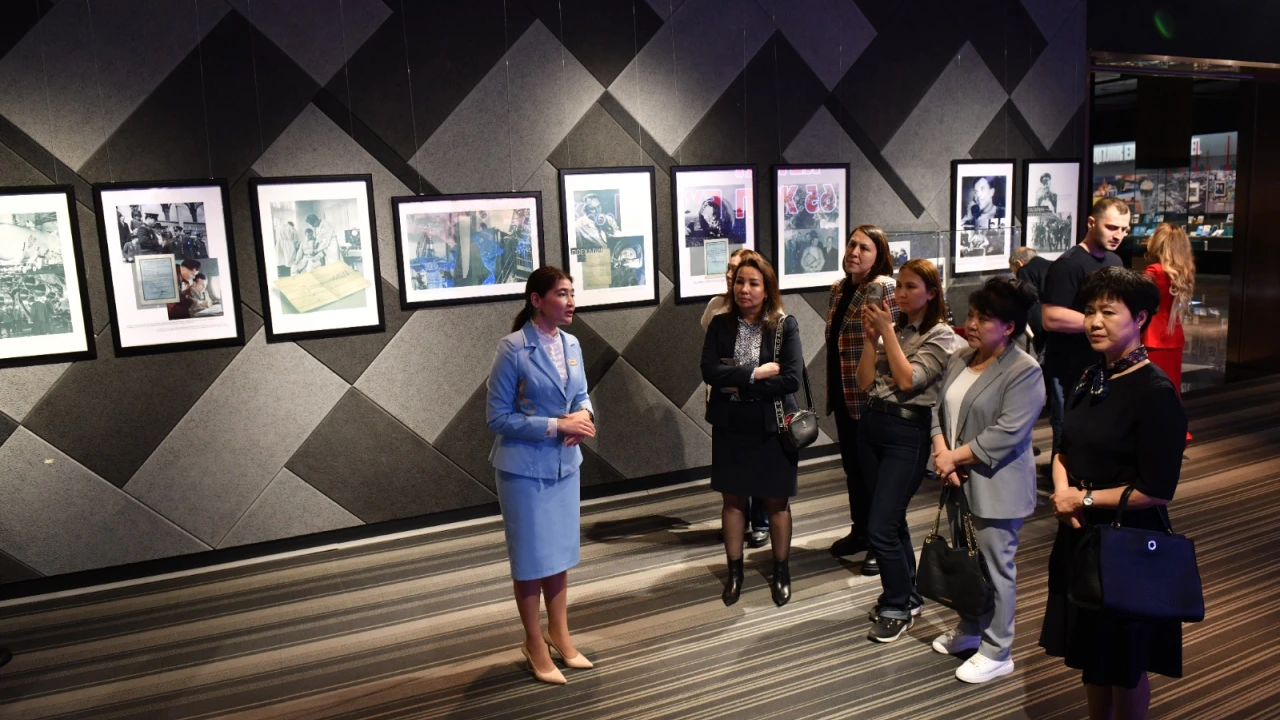
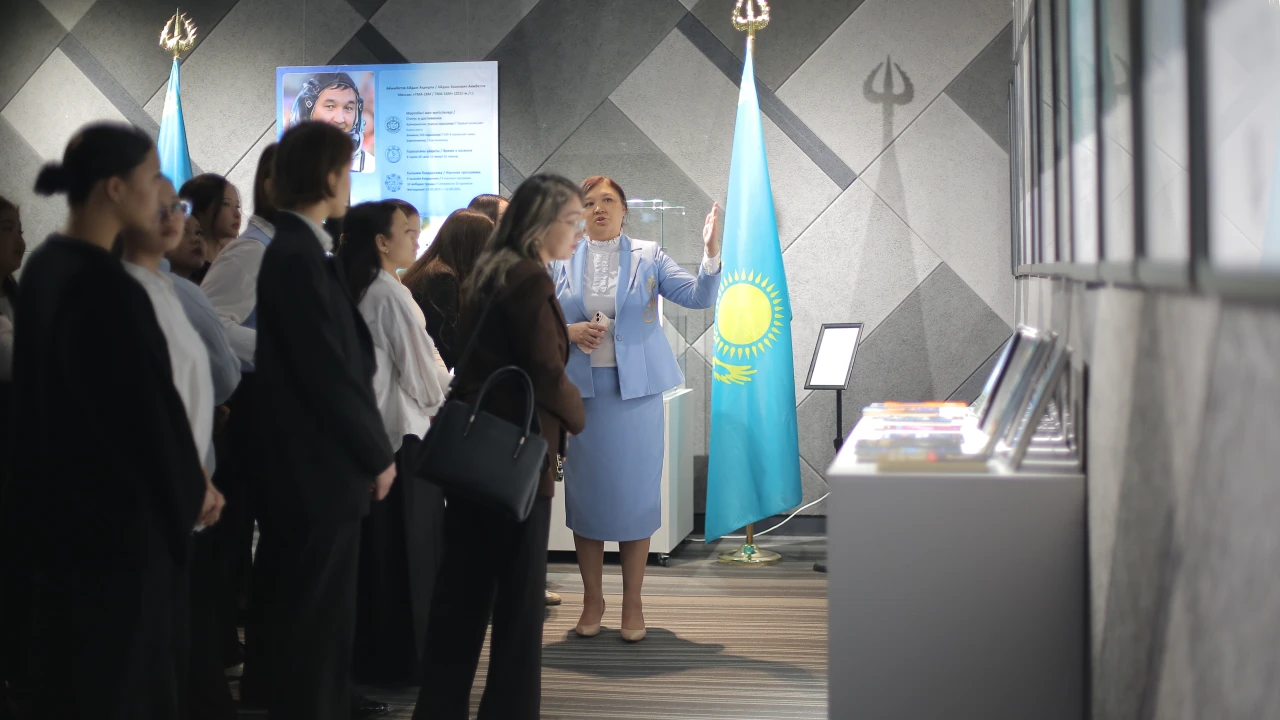

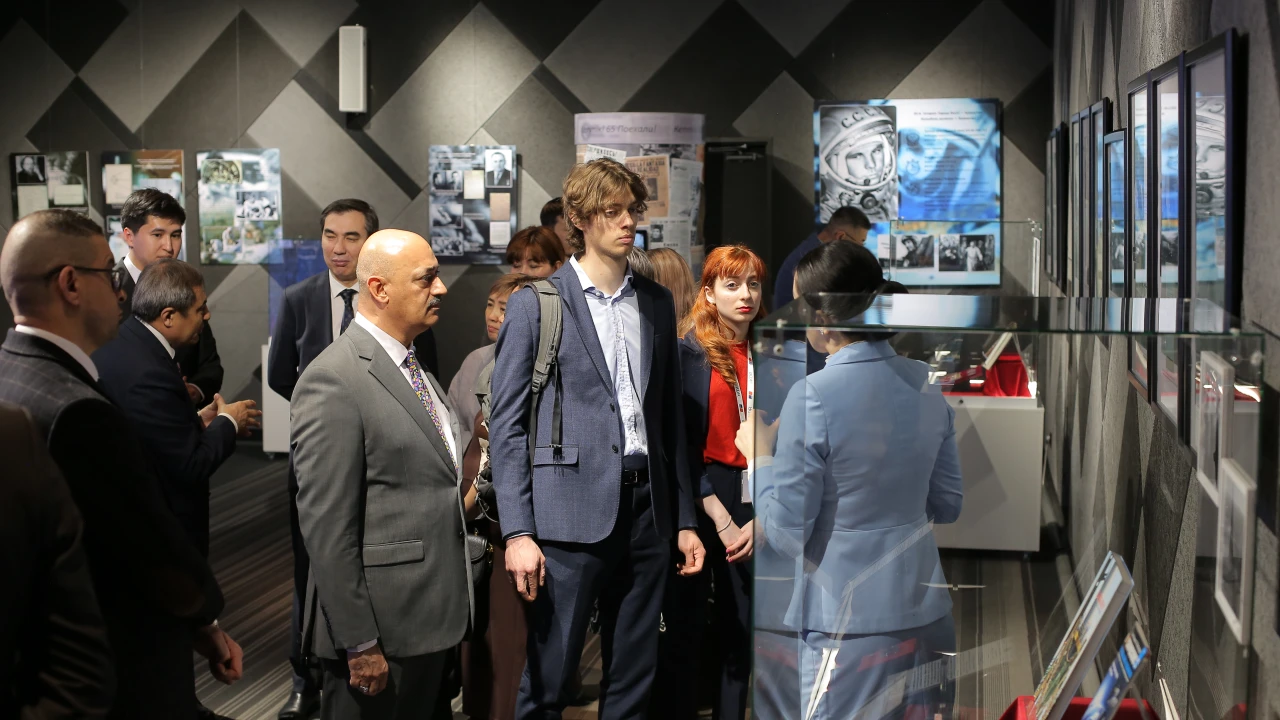
The Presidential Center of the DPA RK hosted the opening of the archival and illustrative exhibition "Let's Go! 65 Years Ago..." dedicated to the 65th anniversary of Yuri Gagarin's space flight from Kazakhstan and the 25th anniversary of space tourism.
Exhibition partners included the Ministry of Artificial Intelligence and Digital Development of the Republic of Kazakhstan, Kazakhstani space enterprises, and the Baikonur Cosmodrome History Museum.
The exhibition aims to illustrate the historical progression from the first human space flight to the development of Kazakhstan's modern space industry, highlighting its role in the nation's achievements as part of the 65th anniversary celebration of this significant global event. Additionally, it seeks to promote Kazakhstan's space heritage and emphasize the 25th anniversary of commercial space tourism as an example of industry innovation. Approximately 100 representatives from government agencies, the diplomatic corps, space enterprises, the Parliament of the Republic of Kazakhstan, and Kazakhstani universities attended the event.
"April 12 marks the 65th anniversary of the first human spaceflight, a milestone of global significance. This date holds particular importance for Kazakhstan, as the space age of human civilization commenced on Kazakh soil. Yuri Gagarin's historic flight stands as a profound symbol of scientific advancement and represents an unprecedented breakthrough in expanding the boundaries of human potential. The concurrence of this anniversary year for cosmonautics with the 35th anniversary of Kazakhstan's independence is highly symbolic. In 1991, the flight of the first Kazakh cosmonaut, Tokhtar Aubakirov, marked a significant milestone in the nation's path to sovereignty. In addition to commemorating the 35th anniversary of Tokhtar Aubakirov's spaceflight, his 80th birthday will also be celebrated. “This year would have also been the 75th birthday of another renowned Kazakhstani cosmonaut, Talgat Musabayev,” noted Bakytzhan Temirbolat, Director of the Presidential Center of the Republic of Kazakhstan, in his speech.
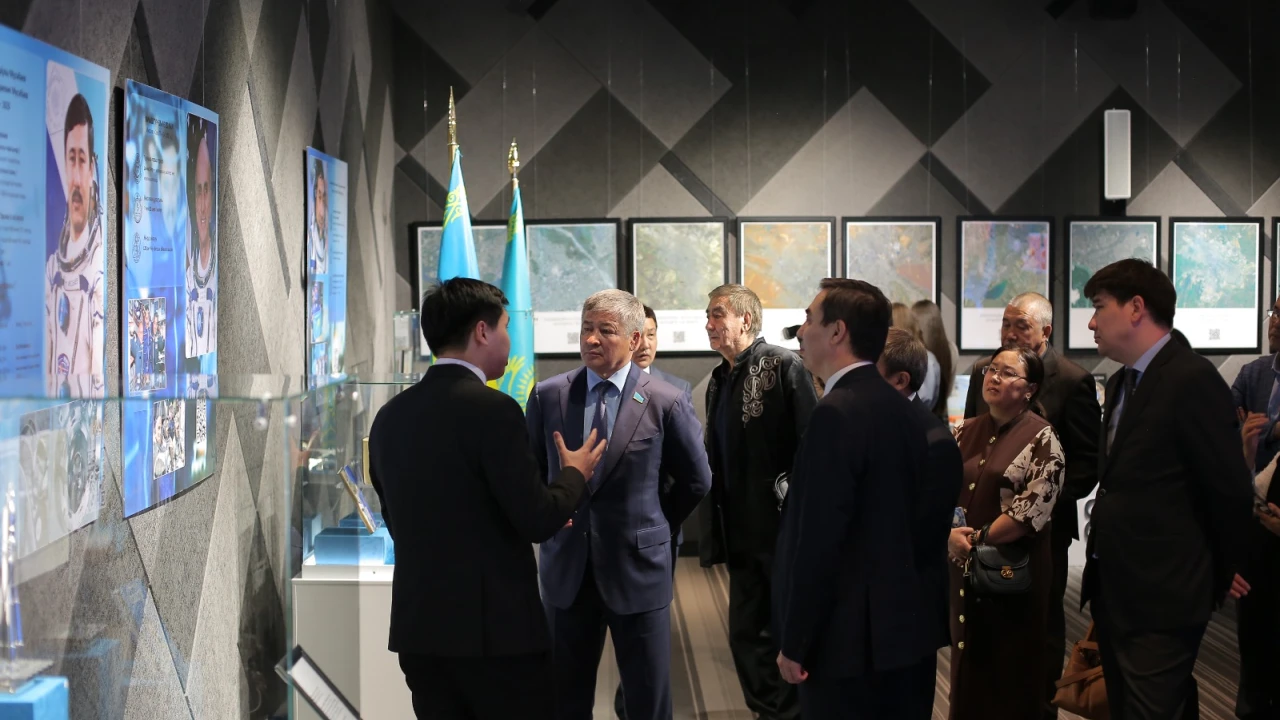
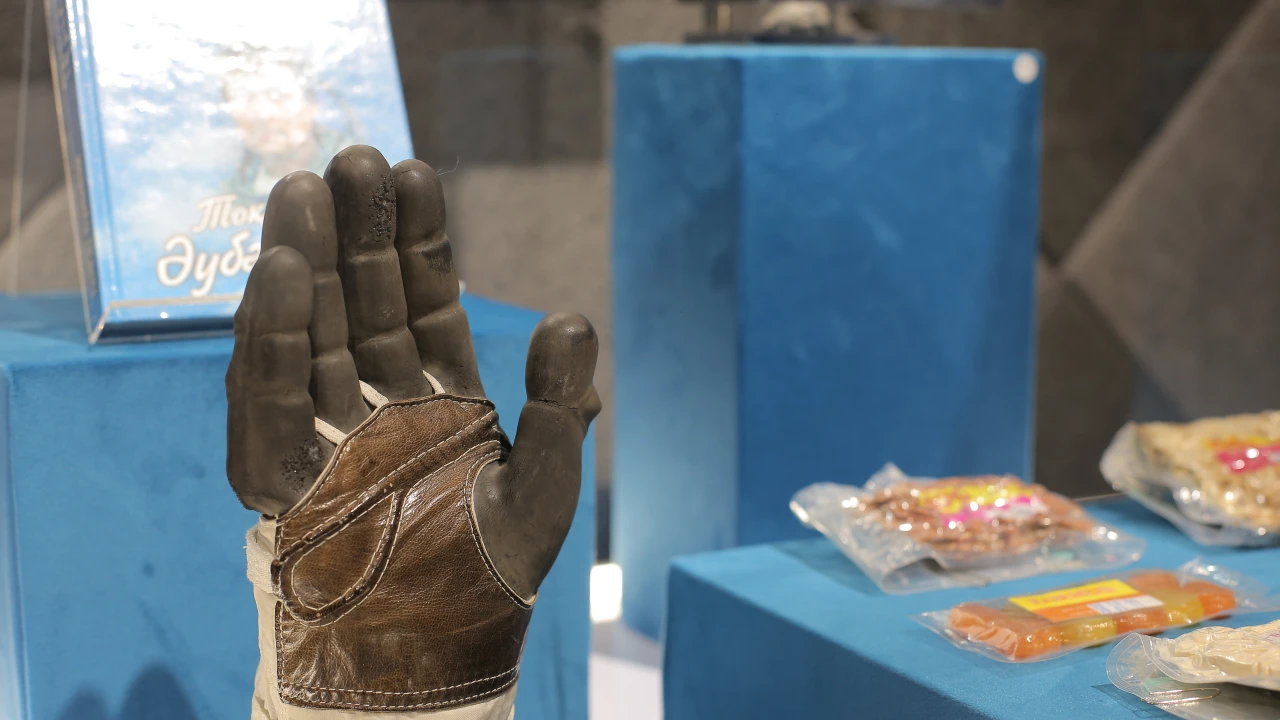
The exhibition presents approximately 30 museum exhibits and more than 60 archival materials.
It is worth noting that it consists of two sections:
I. "The First Step into Boundless Space" – this section highlights the historical significance of Yuri Gagarin's first space flight, which initiated a new era in space exploration and became a symbol of scientific progress.
II. "Kazakhstan and Space" – this section presents materials on the development of the space industry in the Republic of Kazakhstan, focusing on the achievements of Kazakhstani cosmonauts T. Aubakirov, T. Musabayev, and A. Aimbetov. It also highlights the flight of the first space tourist, Dennis Tito.
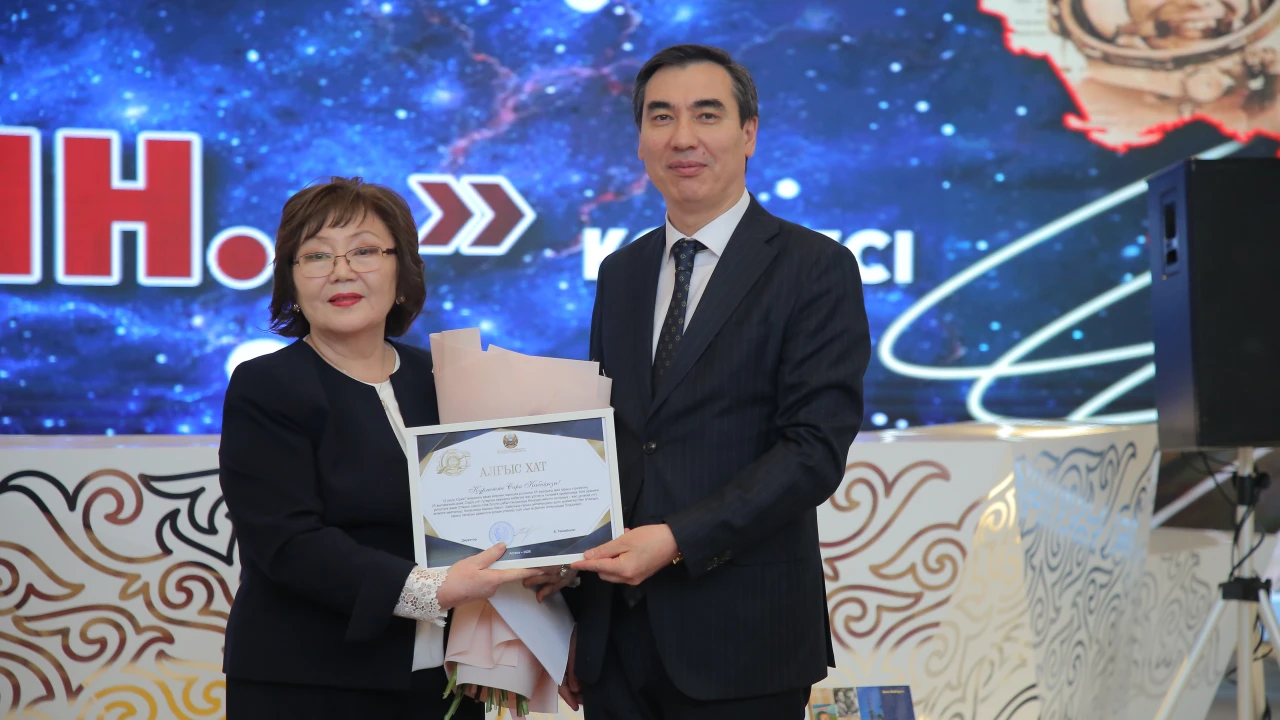
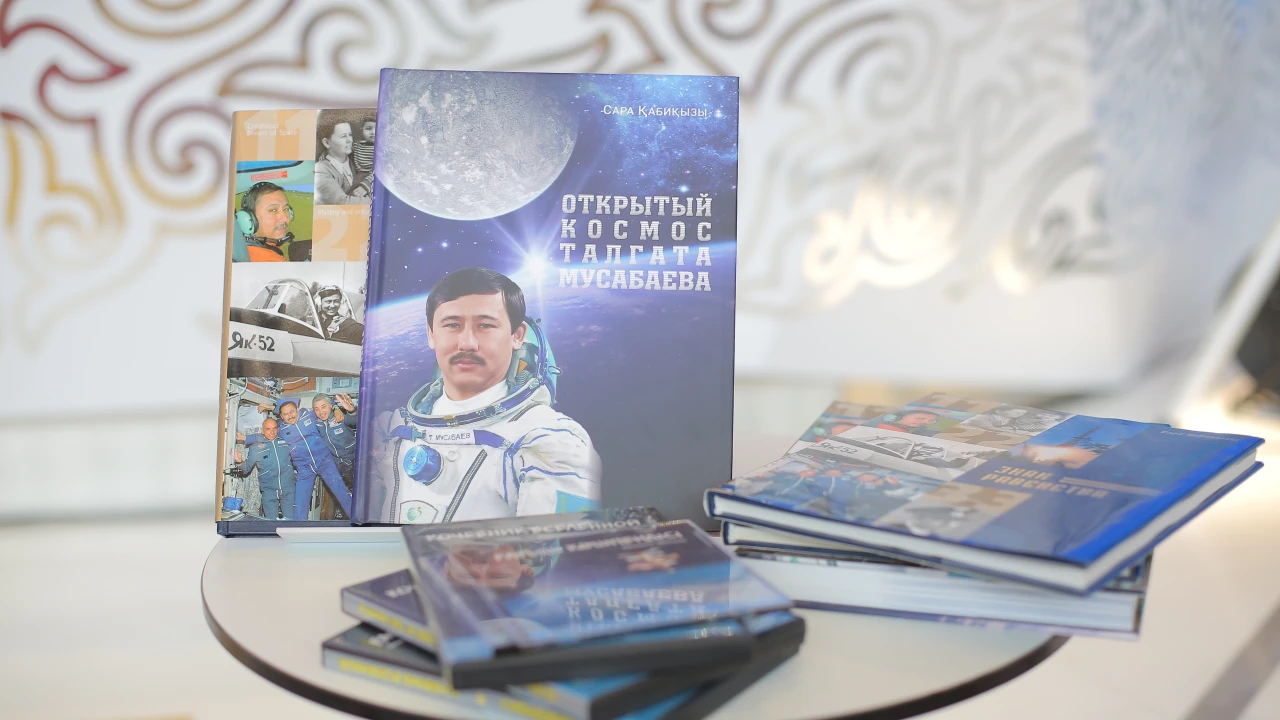
"Our family lived and worked at Baikonur for thirty-three years. As a journalist, I was fortunate to be involved in the history of Kazakhstan's space exploration. For me, this is a true source of inspiration. Because these are not just pages of history. They are the voice of the Universe, resounding from the soil of Kazakhstan. This is a desire to demonstrate the significance and necessity of space exploration, a desire to support and preserve the legendary Baikonur, a gift from fate itself to our country. Today's exhibition is a tribute to the memory and respect of the people who pave the way to the stars," said Sara Nurgaliyeva, an honorary citizen of Baikonur, winner of the Union of Journalists of Kazakhstan award, and chronicler of Kazakhstan's space exploration. Following the official opening ceremony, S. Nurgalieva presented the Presidential Center of the Republic of Kazakhstan with thematic publications in Kazakh, Russian, and English.
|
For reference: Yuri Gagarin's flight marked a turning point not only for the Soviet Union but for all of humanity. It initiated a new era in space exploration, becoming a symbol of scientific progress and inspiring people worldwide to envision the possibilities of space exploration and future discoveries beyond Earth. Since the first days of independence, the Republic of Kazakhstan has actively developed its own space industry. On October 2, 1991, Toktar Aubakirov became the first Kazakh cosmonaut to fly into space. He holds the titles of Hero of the Soviet Union, Honoured Test Pilot of the USSR, USSR Pilot-Cosmonaut, and Pilot-Cosmonaut of the Republic of Kazakhstan. Aubakirov is the 256th cosmonaut in the world, the 72nd and final cosmonaut of the USSR, and the first Kazakh cosmonaut. He participated as a research cosmonaut in the visiting expedition to the Mir orbital complex from October 2 to 10, 1991. From 1994 to 2001, Kazakh cosmonaut Talgat Musabayev completed three space missions. He was recognized in the Guinness Book of World Records for spending more than a day in outer space during a single flight. Musabayev served as commander of Soyuz TM-32, which launched from the Baikonur Cosmodrome on April 28, 2001, carrying the first space tourist, American entrepreneur Dennis Tito. Aidyn Aimbetov, the third Kazakhstani cosmonaut, launched to the International Space Station on September 2, 2015, serving as a flight engineer for Expedition EP-18. His mission lasted approximately 10 days. On June 18, 2006, Kazakhstan's first geostationary satellite, KazSat-1, was launched from the Baikonur Cosmodrome, marking the beginning of the nation's satellite communications and data transmission era. Currently, Kazakhstan's communications and broadcasting satellite constellation, comprising KazSat-2 and KazSat-3, provides comprehensive communications and broadcasting services throughout the country. The Kazakhstan satellite constellation also includes two Earth remote sensing satellites, which are currently operating successfully in orbit, as well as an additional spacecraft. The National Space Agency of the Republic of Kazakhstan (Kazcosmos) was officially established on March 27, 2007. Between 2007 and 2014, Kazcosmos played a pivotal role in establishing the foundation for a comprehensive space industry in Kazakhstan. Baikonur, situated in the Kazakh steppe, emerged as the birthplace of the space age and remains one of the largest and most active cosmodromes globally. Established in 1955 by Soviet specialists, Baikonur has been the site of significant milestones, including the world's first launches of an artificial Earth satellite and a manned spacecraft. Currently, space technology influences a wide range of sectors, including industry, agriculture, medicine, education, transportation, energy, and communications. Since the launch of the first satellite and Gagarin's historic flight, the space industry has experienced significant transformation. More than 40 countries now independently develop and launch spacecraft, reflecting advancements in science and technology, while over 130 countries benefit from the outcomes of space activities.
|