
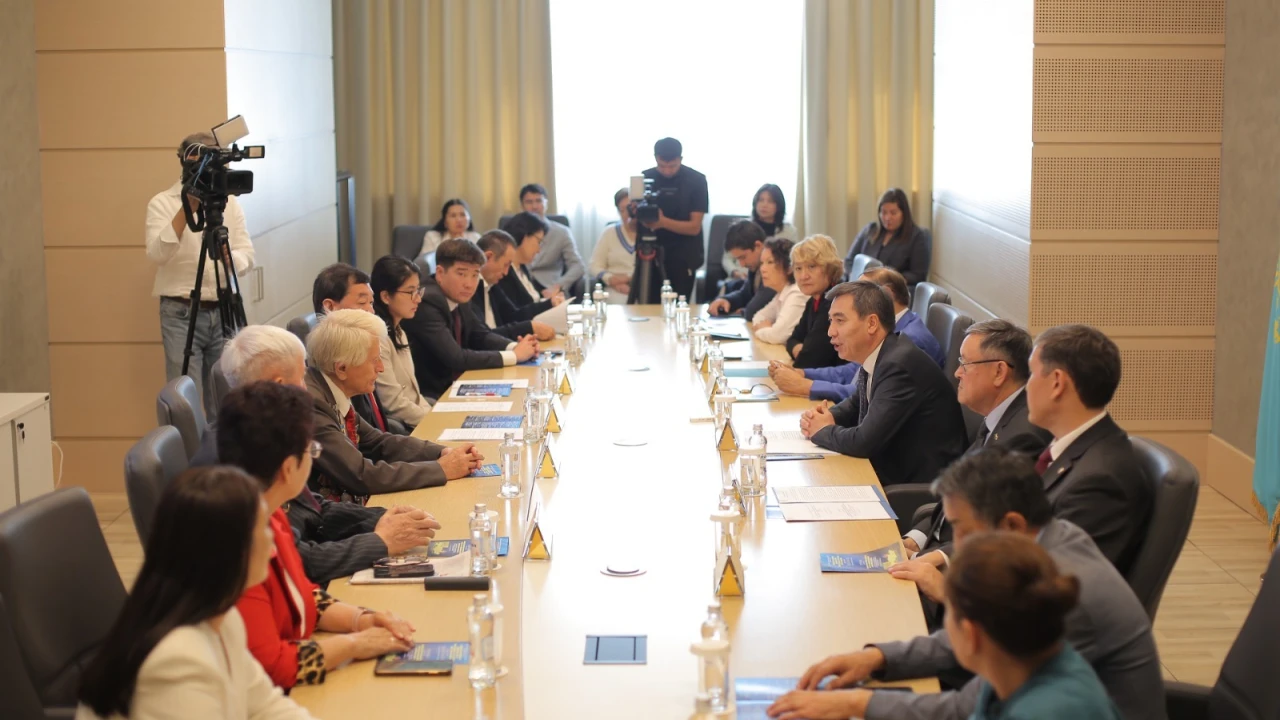
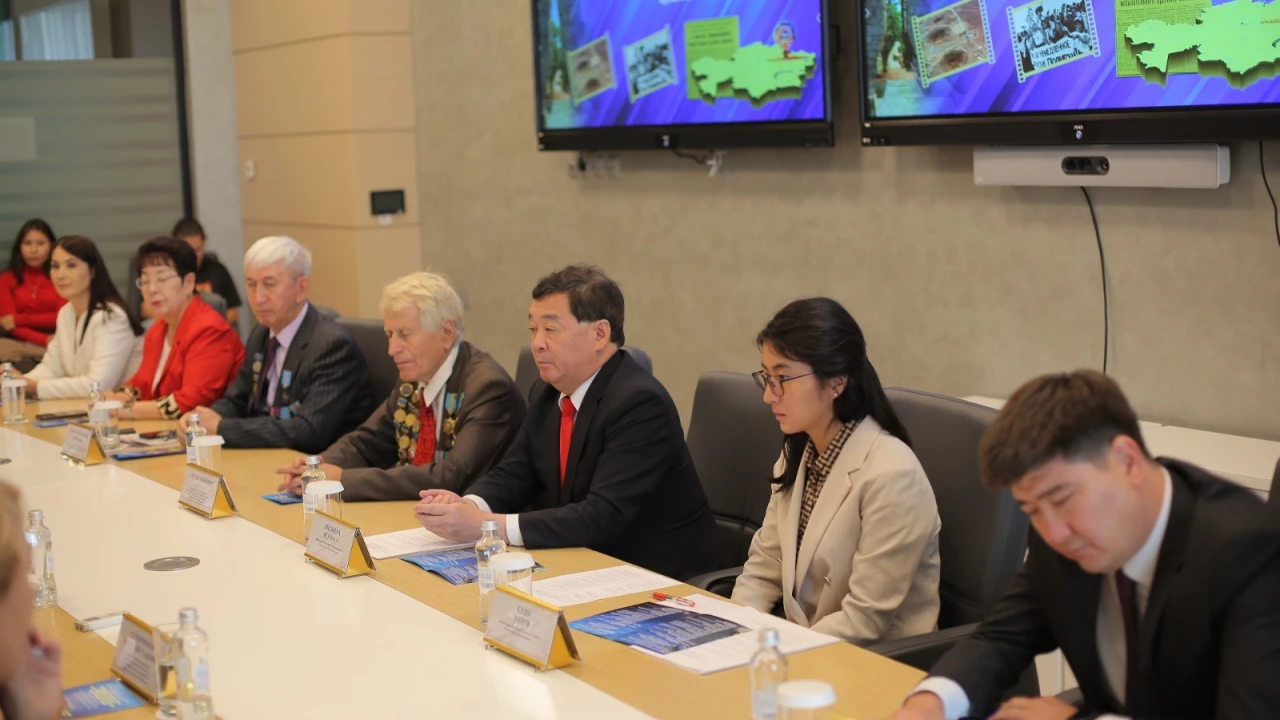
A roundtable discussion, "Anti-Nuclear Policy of the Republic of Kazakhstan: Lessons of History, National Doctrine, and Geopolitical Reality," was held at the Presidential Center of the DPA RK. It was dedicated to the 35th anniversary of the closure of the Semipalatinsk Nuclear Test Site.
August 29 holds historical significance for Kazakhstan, the international community, and the global anti-nuclear movement. On this date in 1991, the Semipalatinsk Nuclear Test Site, the world's second-largest after the Nevada Test Site, was closed by decree of the President of the Kazakh SSR. In 2019, Semipalatinsk Nuclear Test Site Closure Day was designated as a national holiday.
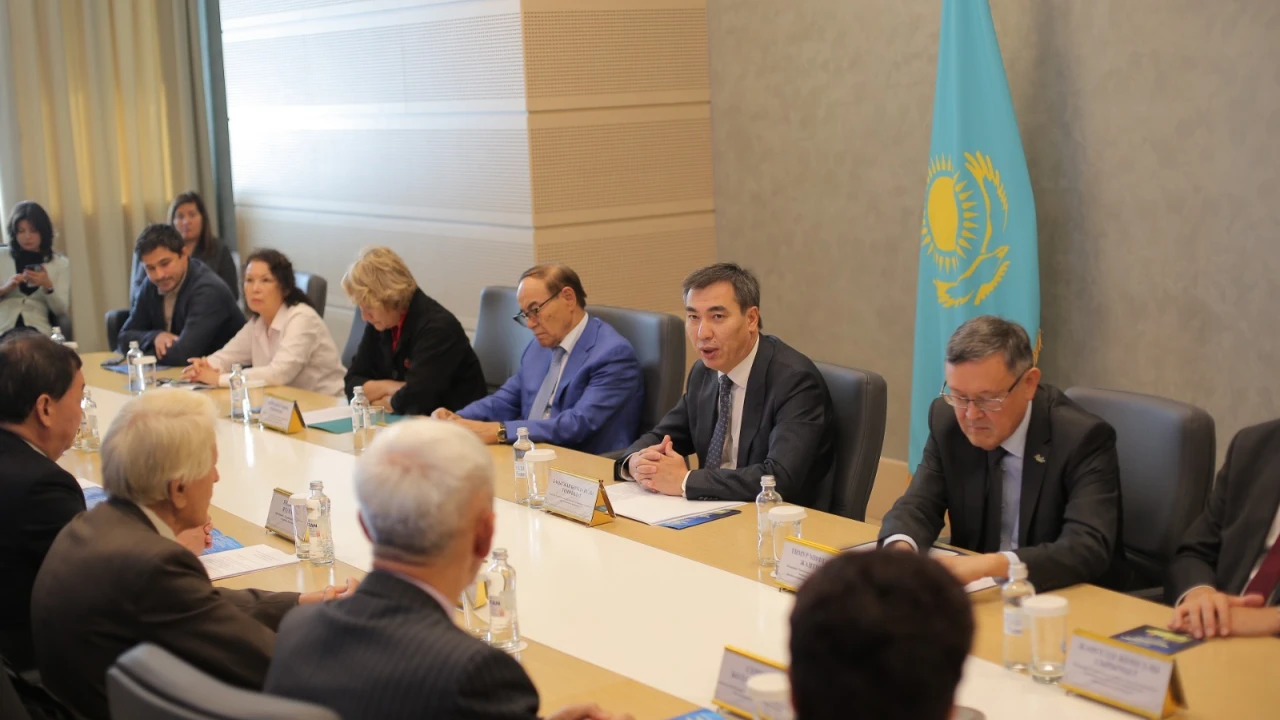
«This decision was particularly challenging, as it occurred while Kazakhstan remained part of the USSR. During the Cold War, Soviet authorities regarded the test site as a vital component of strategic nuclear parity. The Nevada-Semey public movement, which united individuals from various countries to oppose nuclear testing, exemplified the collective will to end such practices. The movement was inspired and organized by the prominent Kazakhstani poet Olzhas Suleimenov, whose 90th birthday is being commemorated this year. The closure of the Semipalatinsk test site ended more than four decades of nuclear testing. Over this period, 456 nuclear explosions were conducted in Kazakhstan, averaging one test per month. These activities resulted in severe environmental and socioeconomic consequences. More than 1.5 million people were exposed to harmful radiation, and over 300,000 square kilometers of land—an area comparable to Italy - were removed from economic use. After the closure of the Semipalatinsk Test Site, other major global test sites, including those in Nevada, Novaya Zemlya, Lop Nor, and Mururoa, also ceased operations. Consequently, the prohibition of nuclear testing became a global norm. Kazakhstan became the first nation to voluntarily renounce nuclear weapons, thereby establishing itself as a leader in the global anti-nuclear movement. President Kassym-Jomart Tokayev remains committed to strengthening the international non-proliferation regime and promoting the complete abolition of nuclear weapons by 2045. At the same time, Kazakhstan continues to support the peaceful use of nuclear energy, including the development of nuclear power. The decision to construct two nuclear power plants exemplifies this strategic direction, as noted by Bakytzhan Temirbolat, Director of the Presidential Center of the Republic of Kazakhstan, in his speech.
Recognizing Kazakhstan's contribution to nuclear disarmament and non-proliferation, the United Nations in 2009 declared August 29 as the International Day against Nuclear Tests in 2009.
«Following the closure of the Semipalatinsk test site, Kazakhstan has consistently addressed the challenges of ensuring the safety of the area and mitigating the consequences of nuclear tests. Over the years, a significant portion of the testing infrastructure has been dismantled, and a comprehensive radiation and environmental survey covering more than 18,000 square kilometers has been conducted. Today, this accumulated experience enables Kazakhstan to simultaneously strengthen the international nuclear non-proliferation regime and advance the peaceful uses of nuclear technology," said Timur Zhantikin, Deputy Chairman of the Agency of the Republic of Kazakhstan on Atomic Energy.
The event brought together over 40 participants.
Participants from government agencies, international organizations, the scientific community, development institutions, civil society, leading Kazakhstani experts, and staff of the Presidential Center discussed topics such as the historical significance of the Semipalatinsk Nuclear Test Site, the role of international cooperation in global nuclear security, and the principles and mechanisms of contemporary nuclear diplomacy.
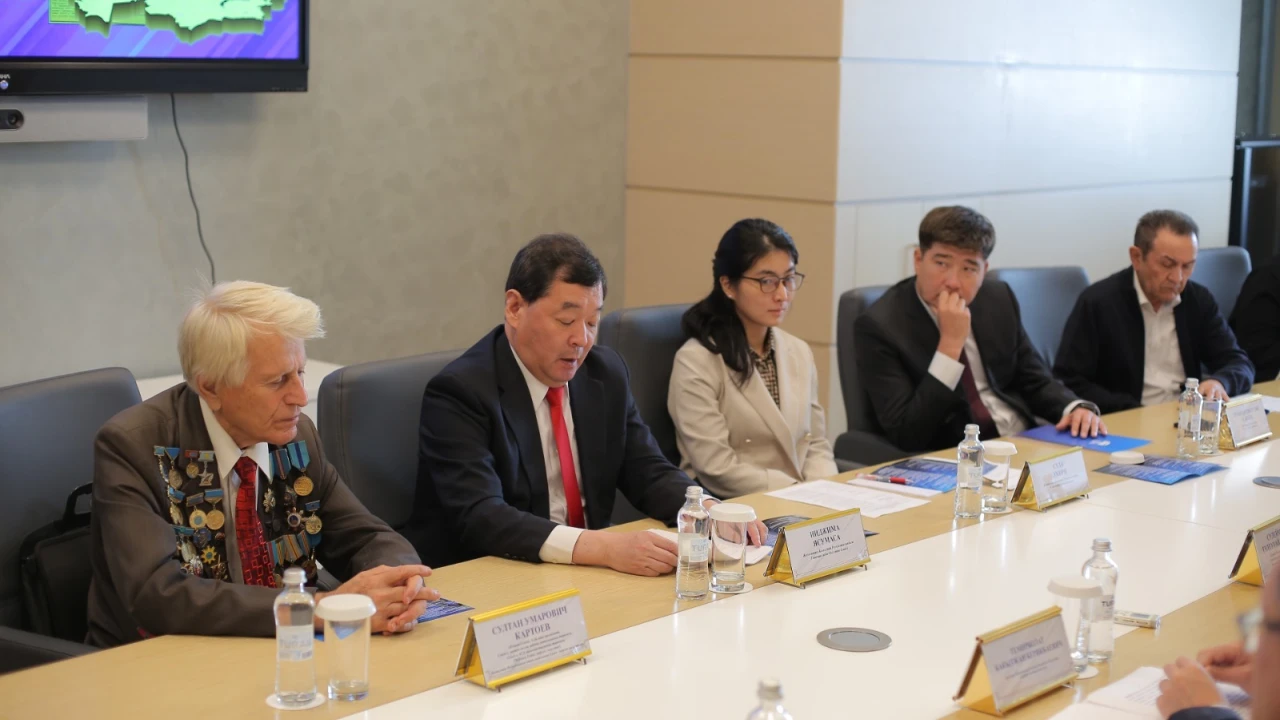
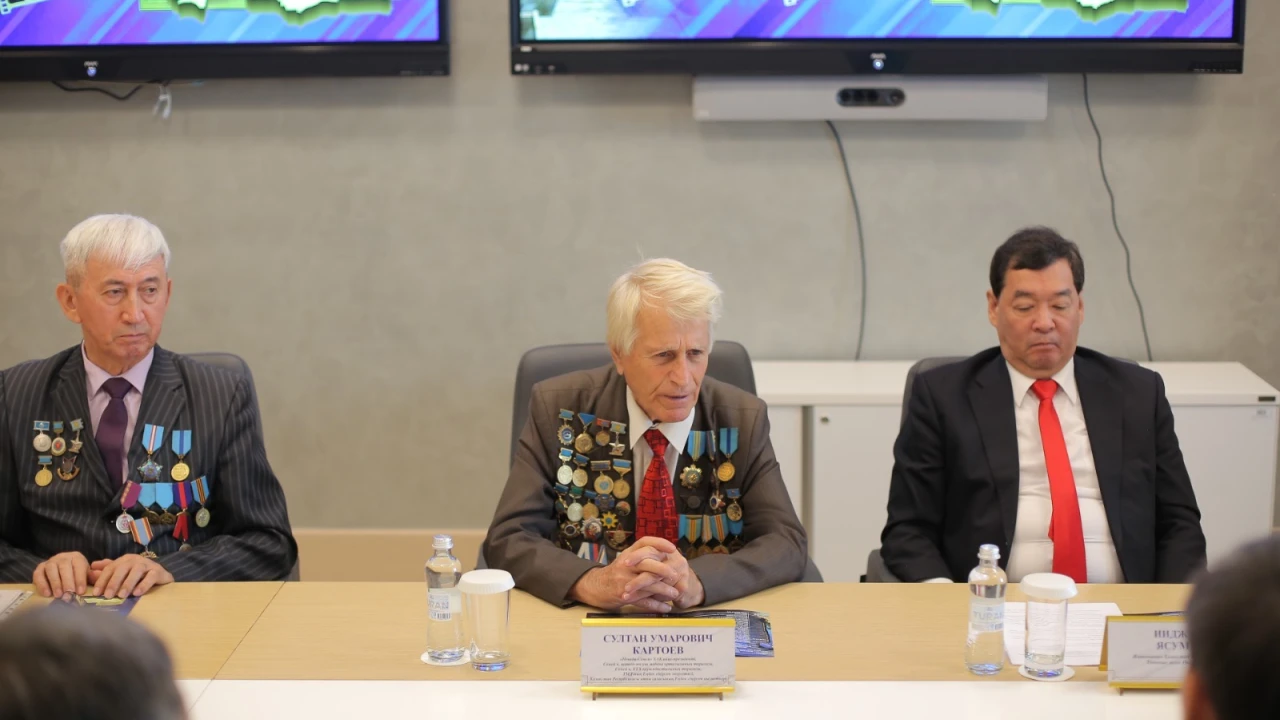
"The closure of the Semipalatinsk nuclear test site was the result of the unity of the people of Kazakhstan, the civic position of the Nevada-Semey anti-nuclear movement, and consistent state policy. Founded in 1989, the movement united over two million Kazakhstanis and became a symbol of the fight against nuclear testing and for a nuclear-free world. Today, Kazakhstan's path to nuclear disarmament has international significance. Our duty is to preserve historical memory, pass on this experience to the younger generation, and continue to consistently promote the ideas of peace, nuclear disarmament, and global security," stated Sultan Kartoyev, Vice President of the International Anti-Nuclear Movement "Nevada-Semey" and Honored Worker of the Nuclear Industry of Kazakhstan.
Yasumasa Iijima, Ambassador Extraordinary and Plenipotentiary of Japan to Kazakhstan, expressed his perspective.
"Japan and Kazakhstan share a common experience related to the tragic consequences of the use of nuclear weapons. Both countries play a leading role in international efforts to achieve a nuclear-weapon-free world, and for Japan, Kazakhstan is its most reliable partner in this endeavor. Medical institutions and universities in both countries have collaborated for many years on radiation treatment. Japan has also repeatedly provided support in the form of medical equipment. We hope to deepen cooperation between the two countries in the peaceful uses of nuclear energy, particularly between the Japan Atomic Energy Agency, the National Nuclear Center of Kazakhstan, and the Institute of Nuclear Physics," the diplomat stated.
The roundtable also featured remarks from Tuleutai Suleimenov, First Minister of Foreign Affairs of the Republic of Kazakhstan; Yerlan Satayev, Head of the Nursultan Nazarbayev Foundation Project Office; and Maira Mukusheva, Director of the Astana Office of the National Nuclear Center of the Republic of Kazakhstan.
Following the roundtable discussion, participants emphasized the importance of strengthening international cooperation in nuclear disarmament and non-proliferation, preserving the historical memory of nuclear test consequences, and promoting Kazakhstan's peacekeeping experience. They also stressed the need to continue expert and public dialogue and to implement educational and scientific initiatives that foster a culture of peace and raise awareness among the younger generation about global nuclear security issues.