
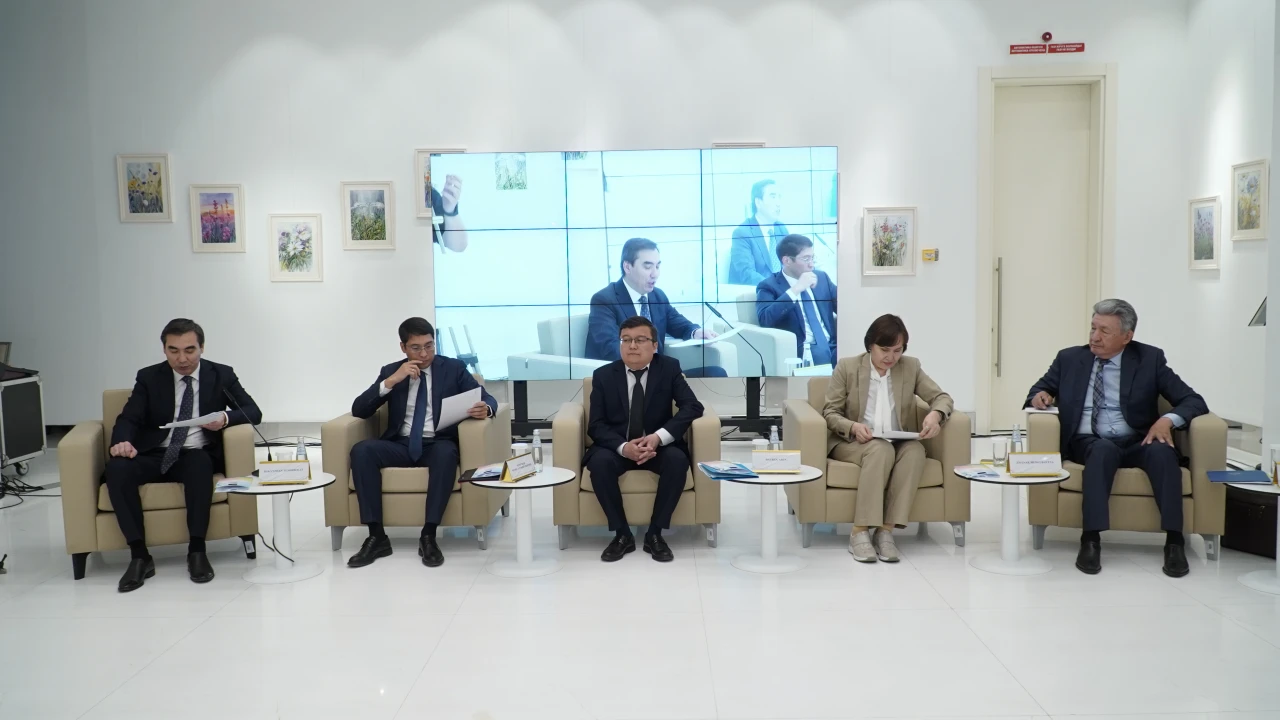
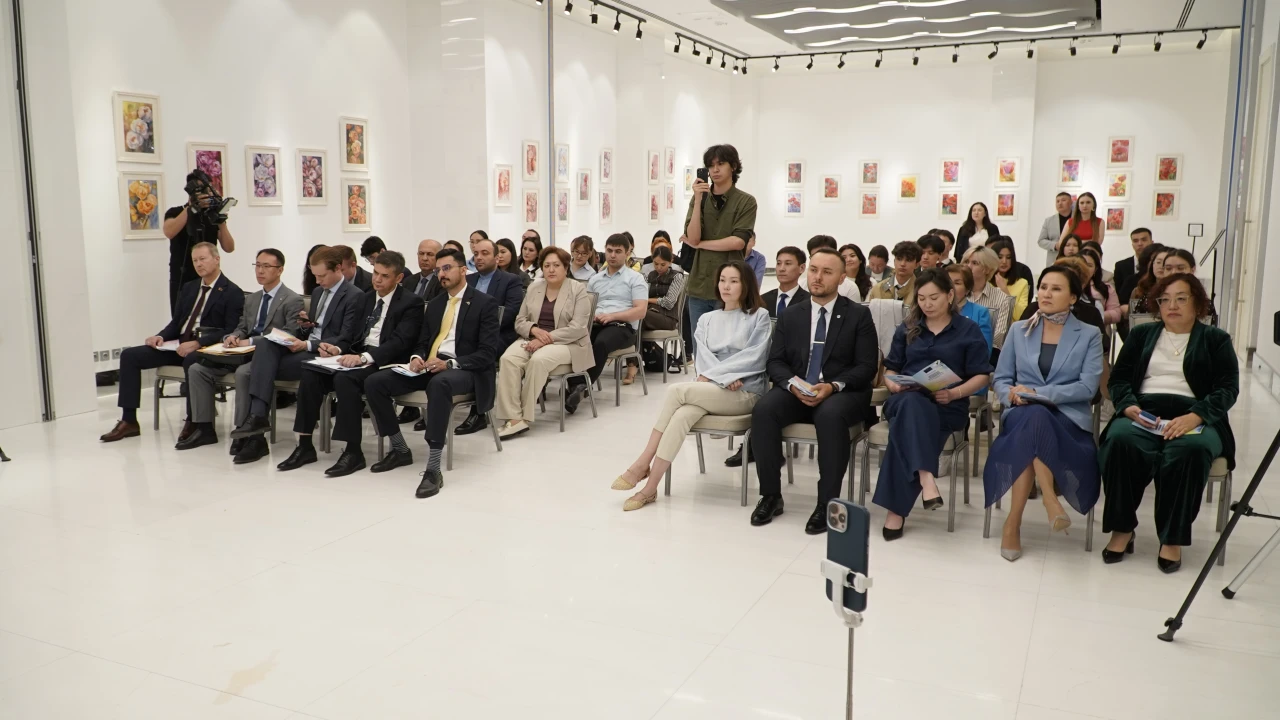
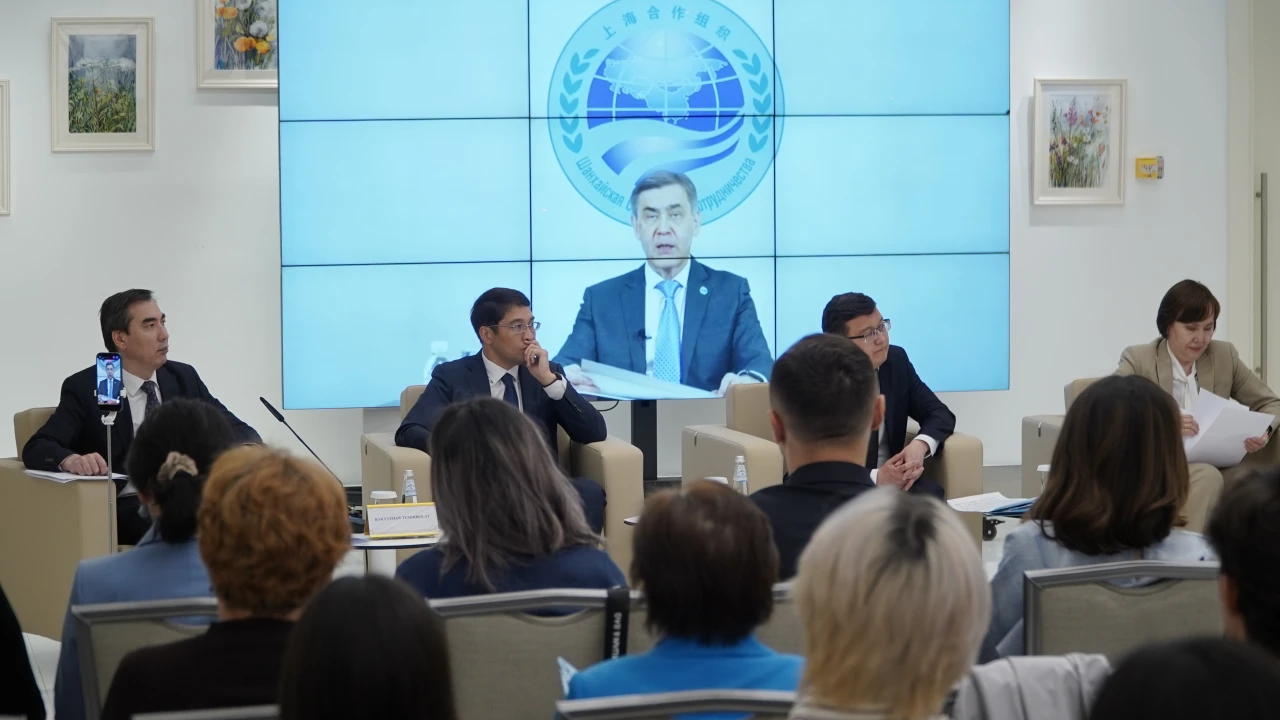
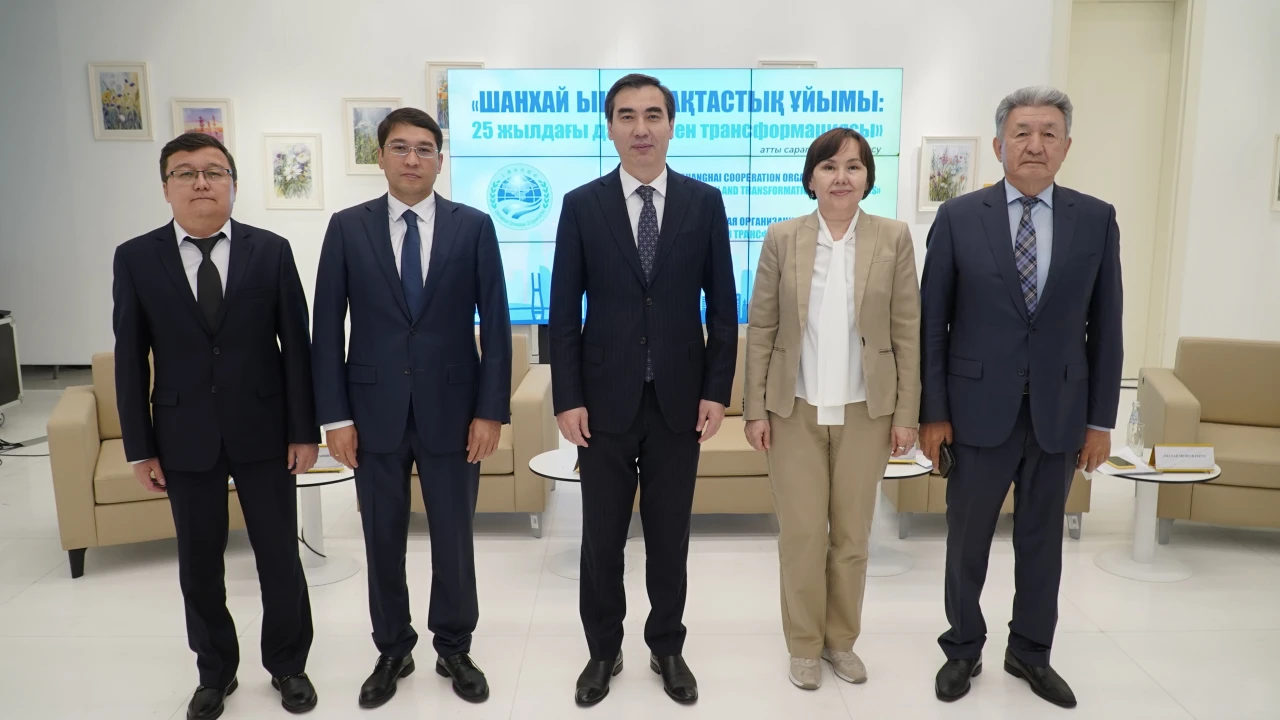
As part of the SCO's 25th anniversary, an expert meeting titled "The Shanghai Cooperation Organization: Evolution and Transformation over 25 Years" was held at the Presidential Center of the DPA RK.
The event addressed the SCO's main achievements, current challenges, and future prospects as the Organization expands its reach and cooperation agenda.
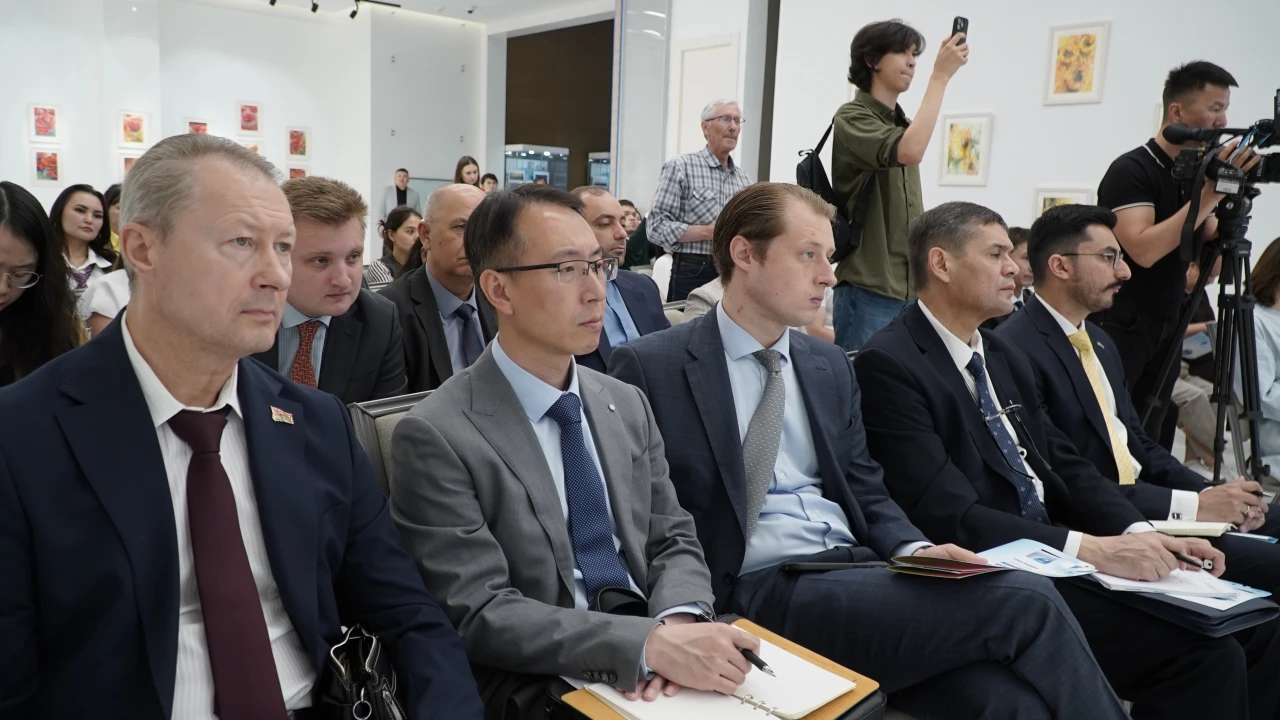
Approximately 70 participants attended, including representatives from government agencies, analytical organizations, domestic and international experts, as well as master's and doctoral students and faculty from Kazakhstani universities.
"Today, the world is experiencing turbulence. There is a crisis of trust among leading international actors, an erosion of the fundamental principles of international law, an escalation of the arms race and large-scale military conflicts, an intensification of hybrid, trade, and cyberwarfare, and a rise in terrorist threats. The multifaceted nature of today's challenges compels the global community to seek new solutions that must be adopted and implemented jointly to achieve sustainable development and enhance global security and justice for the well-being of future generations. In these circumstances, particular hopes are placed on multilateral efforts through interstate and international cooperation. The Shanghai Cooperation Organization, which will celebrate its 25th anniversary on June 15, undoubtedly occupies a special place in this regard. Looking back on the organization's 25-year history, we see how its political agenda has changed dramatically. Currently, one of the SCO's priorities is the economic component, based on the revived Silk Road. During Kazakhstan's 2023-2024 chairmanship, the Energy Cooperation Development Strategy was adopted, the Economic Cooperation Strategy Implementation Plan was approved, and the Special Working Group on Investments was revived. One of Kazakhstan's most recent initiatives was the establishment of the SCO Office at the AIFC, which formed the basis for the activities of the newly established SCO Member States Investors Association," said Bakytzhan Temirbolat, Director of the Presidential Center of the Republic of Kazakhstan, in his speech.
"As a founding member of the SCO, Kazakhstan has consistently been an active participant in the organization's development processes. During Kazakhstan's chairmanship, important initiatives were put forward to improve the SCO's activities, strengthen regional security, and expand international cooperation. Today, the organization represents an effective platform for developing joint solutions, and its further development is directly linked to the modernization of interaction mechanisms, the expansion of expert dialogue, and the active involvement of the scientific community in the development of new ideas and approaches," noted SCO Secretary-General Nurlan Yermekbayev.
Murat Mukushev, Ambassador-at-Large of the Ministry of Foreign Affairs of the Republic of Kazakhstan and National Coordinator for SCO Activities, stated that the Shanghai Cooperation Organization (SCO) currently plays a significant role in international and regional affairs, bringing together countries that comprise over 60% of Eurasia's territory and nearly half of the global population. He highlighted the importance of the organization's institutional development, particularly the enhancement of interaction mechanisms and the implementation of initiatives introduced at the 2024 Astana Summit.
"Over the past 25 years, the SCO has become a key multilateral platform in Eurasia, now uniting ten member states. The Kyrgyz Republic will chair the organization in 2025–2026. In May 2026, the NISI under the President of the Kyrgyz Republic hosted the Forum of Analytical Centers of the SCO Member States in Bishkek, bringing together experts from all ten countries," said Timur Abylaev, Deputy Director of the National Institute for Strategic Initiatives under the President of the Kyrgyz Republic.
Lifan Li, Director of the Centre for SCO Studies at the Shanghai Academy of Social Sciences (SASS), stated that the establishment of the SCO was a significant step in strengthening good-neighborliness, mutual trust, and mutually beneficial cooperation in the region.
"In 2001, China, together with its neighboring countries, founded the SCO. We chose a simple principle: friendship, trust, and shared benefit. This principle has helped us work together for many years. Today, we are strengthening security, developing the economy, supporting youth, and helping each other in difficult times. In the future, China will continue to closely cooperate with the SCO countries. We will implement new projects, promote people's well-being, and maintain peace and stability in our region," the Chinese expert emphasized.
Expert presentations were delivered by Amangeldy Tazhenov, Deputy Chairman of the Institute of Foreign Policy Studies under the Ministry of Foreign Affairs of the Republic of Kazakhstan; Dauren Aben, Deputy Director of the Kazakhstan Institute for Strategic Studies under the President of the Republic of Kazakhstan; Bakhtiyor Mustafayev, Deputy Director of the Institute for Strategic and Interregional Studies under the President of the Republic of Uzbekistan; Alexander Lukin, Academic Director of the Institute of China and Modern Asia of the Russian Academy of Sciences and Chairman of the Council of the National Center for SCO Studies; and Zhanar Medeubayeva, Professor at L.N. Gumilyov Eurasian National University.
Participants discussed the SCO's role in regional security, economic cooperation, transport and logistics connectivity, and humanitarian ties in Eurasia.
Following the meeting, participants developed proposals and recommendations to enhance multilateral cooperation within the SCO, strengthen expert dialogue, and improve the Organization's effectiveness in addressing current international challenges. Additionally, an exhibition dedicated to the SCO's 25th anniversary, featuring over 40 exhibits, opened at the Presidential Center.