
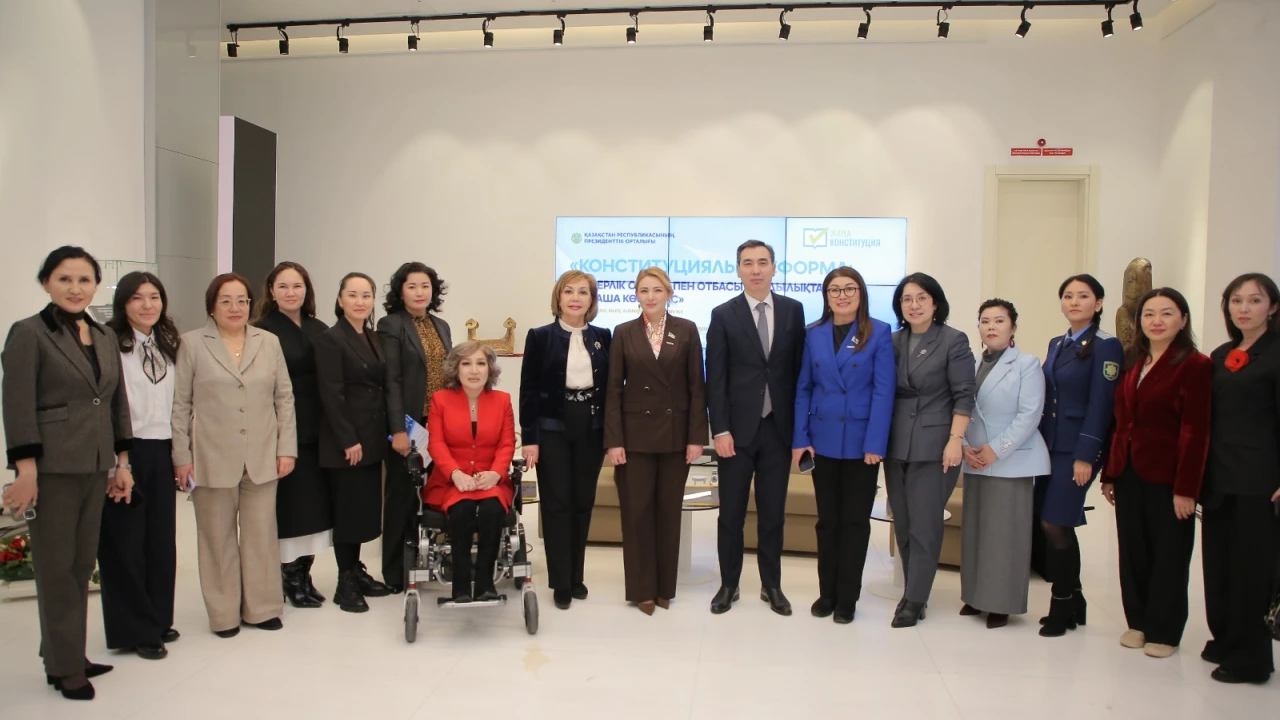
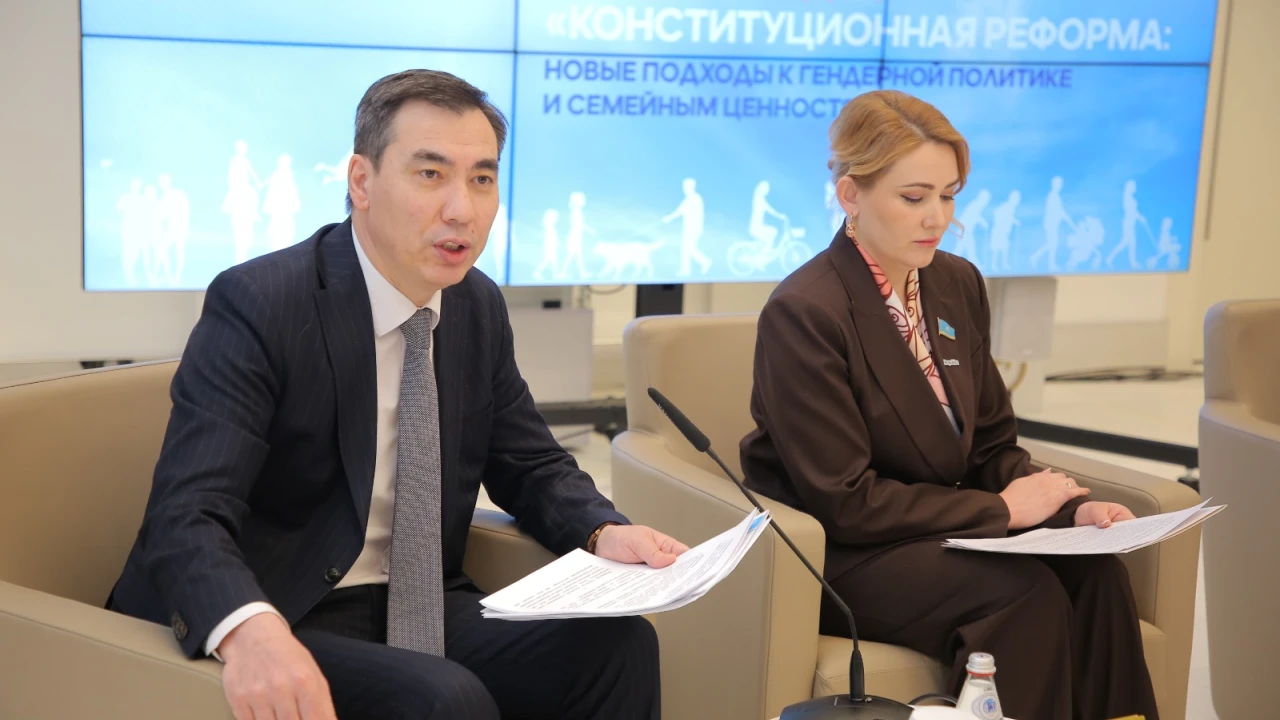
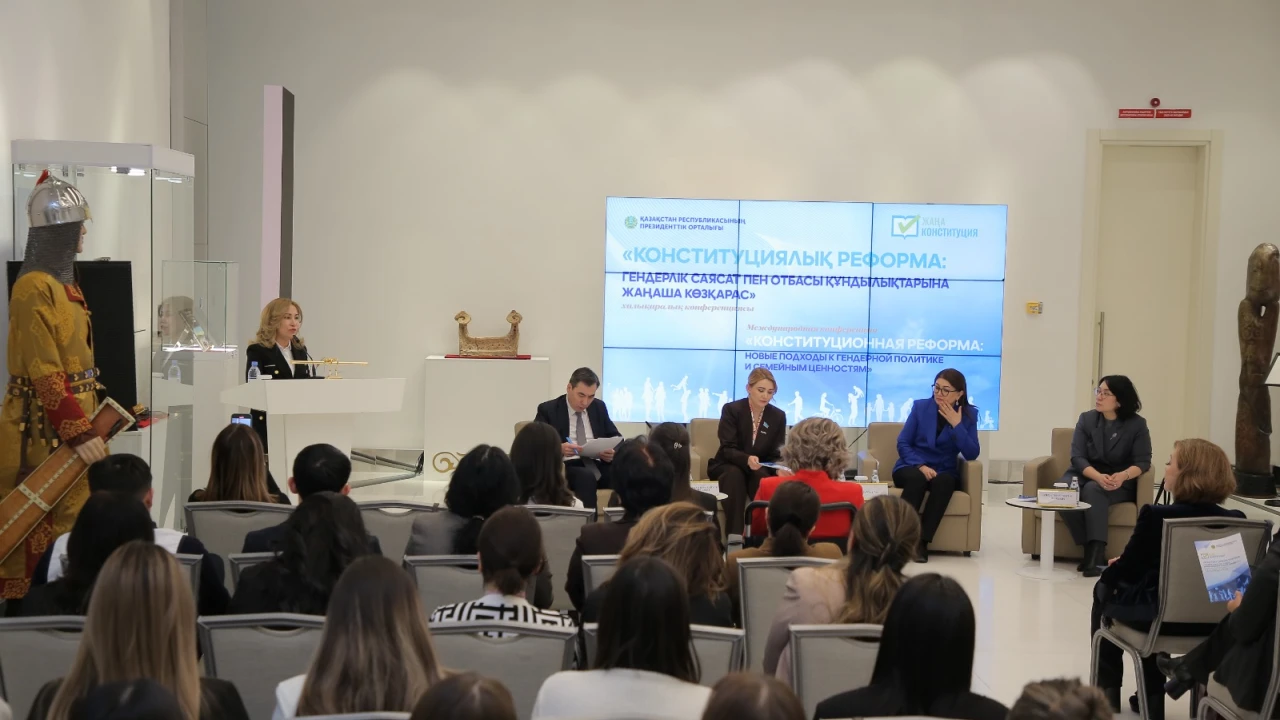
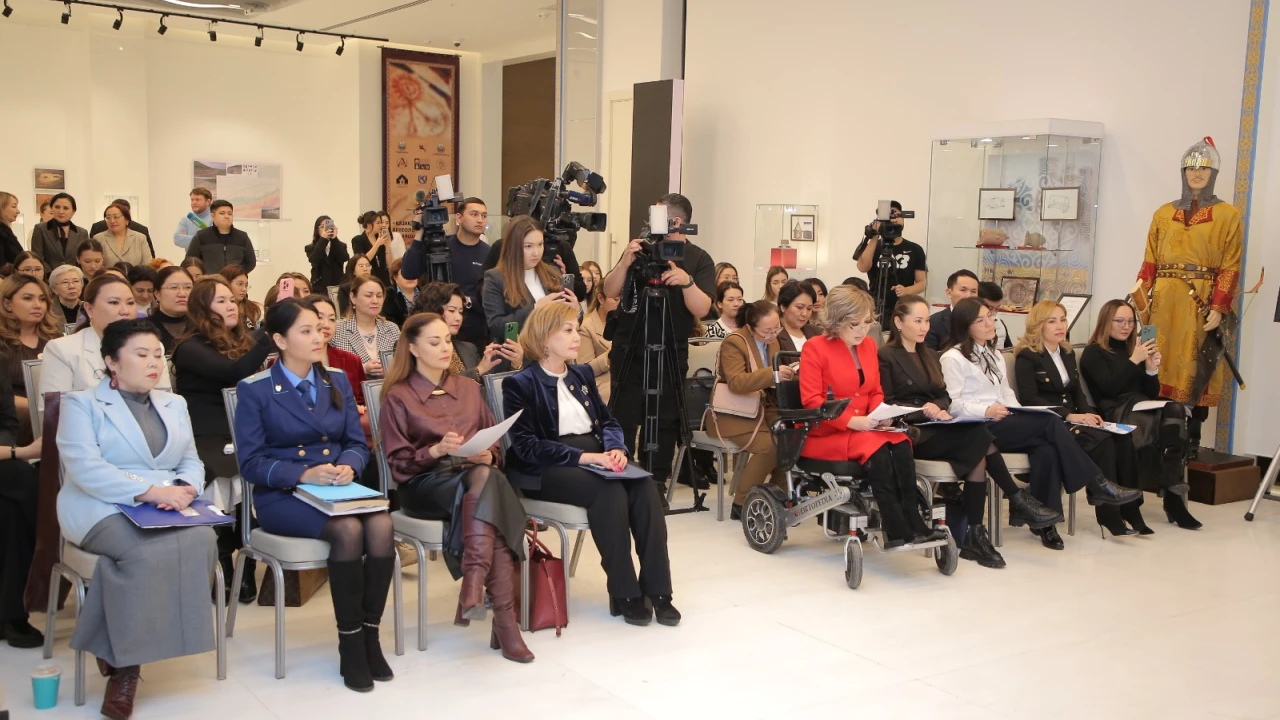
The international conference, titled "Constitutional Reform: New Approaches to Gender Policy and Family Values," took place at the Presidential Center of the DPA RK.
The event brought together 60 participants, including members of the Parliament of the Republic of Kazakhstan, representatives from government agencies, non-governmental organizations, international experts, academics, and students at various academic levels.
The conference aimed to serve as a national platform for political dialogue, academic expertise, and civic engagement, focusing on key aspects of gender policy and strengthening family values within constitutional modernization.
"Today, our country stands on the threshold of comprehensive constitutional reform, with a significant milestone being the national referendum scheduled for March 15 of this year. In his address at an extended government meeting on February 10, the head of state emphasized that 'the proposed changes raise the need for a complete reset of the constitutional foundations of our state. In essence, we are talking about creating a new system of state governance.’ Among the most significant issues addressed in the draft of the new Basic Law are gender, family, and demographic policy. In recent years, Kazakhstan has implemented a range of practical, systemic measures to promote gender equality and eliminate discrimination against women. The country benefits from a robust network of public organizations, including the National Commission on Women, Family, and Demographic Policy under the President of the Republic of Kazakhstan, UN Women in Kazakhstan, and the Association of Businesswomen of Kazakhstan. The timing of this gathering, on the eve of International Women's Day, March 8, is symbolic, as this date commemorates a historic breakthrough in gender relations. Now, in Kazakhstan, we must take further practical steps to improve gender, family, and demographic policy," stated Bakytzhan Temirbolat, Director of the Presidential Center of the Republic of Kazakhstan.
"Today, gender equality remains a central element of inclusive and sustainable development." The changing political context, demographic shifts, and climate change are shaping new realities, creating opportunities but also exposing persistent inequalities. In this context, constitutional modernization provides an important impetus for reaffirming fundamental rights, strengthening institutional guarantees, and ensuring that gender equality remains an integrated part of national development priorities. Constitutional reform forms the legal basis for strengthening guarantees in public administration and justice systems," said Ceren Güven Güres, Head of the UN Women Central Asia Liaison Office and Representative of the Kazakhstan Country Office.
The meeting analyzed updated constitutional approaches to ensuring equal rights and opportunities and protecting the institution of family, motherhood, and childhood. Representatives of government agencies, the expert community, and international organizations exchanged best practices, research, and data, bringing new ideas and approaches to the discussion.
According to Nurgul Tau, a member of the Mazhilis of the Parliament of Kazakhstan, constitutional reform is not just a change in the text of a law; it is a process that defines the people's philosophy of life and a new social contract between the state and the citizen. The topic of contemporary gender policy and family values is not an external trend but a direction consistent with our historical experience.
"In recent years, Kazakhstani society has been undergoing major changes: digitalization, labor market transformation, urbanization, and a renewed worldview among young people. In these circumstances, the role of the family and its strengthening are becoming even more significant. Global experience shows that as women's participation in politics and economics increases, the quality of social policy also improves. Women have always played a vital role in Kazakh society – not only as caretakers of the home, but also as individuals responsible for the fate of the country. Therefore, gender policy should not be viewed as a phenomenon contrary to national traditions, but as a modern extension of Kazakh culture," the parliamentarian said.
In turn, Aziza Shuzheyeva, a member of the National Commission on Women, Family, and Demographic Policy under the President of the Republic of Kazakhstan and founder of the Digital Transformation Public Foundation, noted that the new version of the country's Constitution explicitly enshrines citizens' rights to the protection of personal data, privacy in the digital environment, correspondence privacy, and banking secrecy when using digital technologies. Thus, these guarantees become not just a legal norm, but acquire constitutional status.
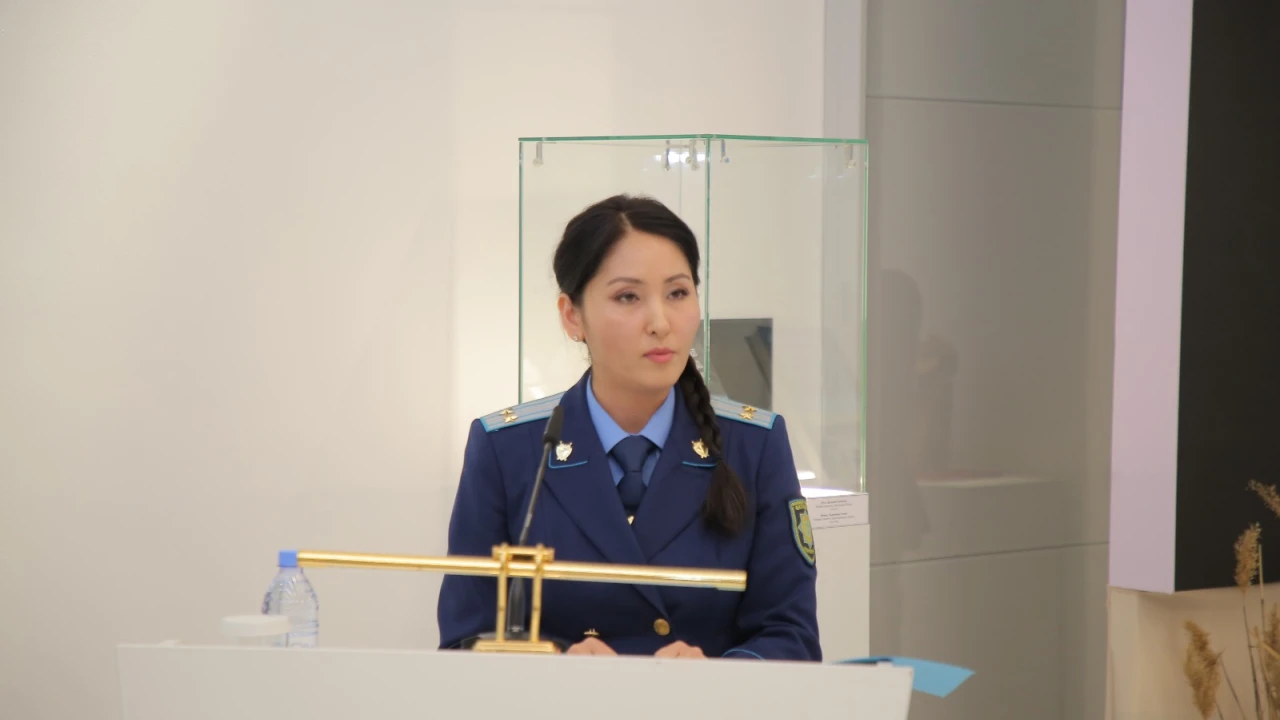
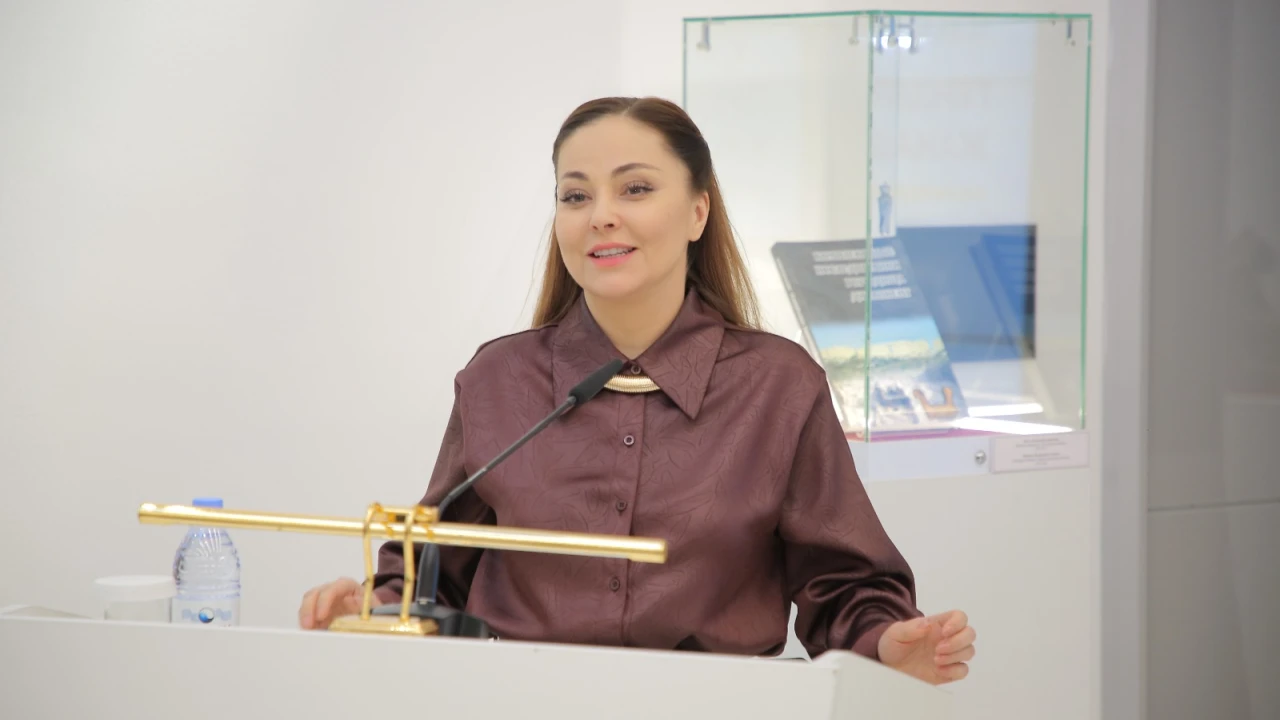
The round table also featured speeches by Ekaterina Smolyakova, a member of the Mazhilis of the Parliament of the Republic of Kazakhstan; Maya Bekbayeva, a well-known journalist, editor, and producer, author of programs and documentaries about the history of Kazakhstan; Aizhan Aimaganova, Head of the Department of State Prosecutions of the Astana Prosecutor's Office; Tursynzada Kuangaliyeva, Rector of the Academy of Physical Education and Mass Sports (APEMS); Aziza Shuzheyeva, Chairperson of the Board of the non-profit organization TechnoWomen, founder of the Digital Transformation public foundation, and member of the National Commission for Women and Family-Demographic Policy under the President of the Republic of Kazakhstan; Saniya Irsaliyeva, Chairperson of the Intersectoral Council of Businesswomen of the Atameken National Chamber of Entrepreneurs of Astana and President of the Eligai regional public association; Larisa Li, a member of the Association of Businesswomen of Kazakhstan, head of the PANA project, and a member of the Board of the Alliance of Women's Forces; and Bayan Zhalmaganbetova, a representative of the Commissioner for Human Rights in Astana.
Following the conference, participants identified priority areas for gender policy development and emphasized the importance of strengthening family values in the context of current socioeconomic and cultural changes aimed at creating an inclusive and sustainable society.